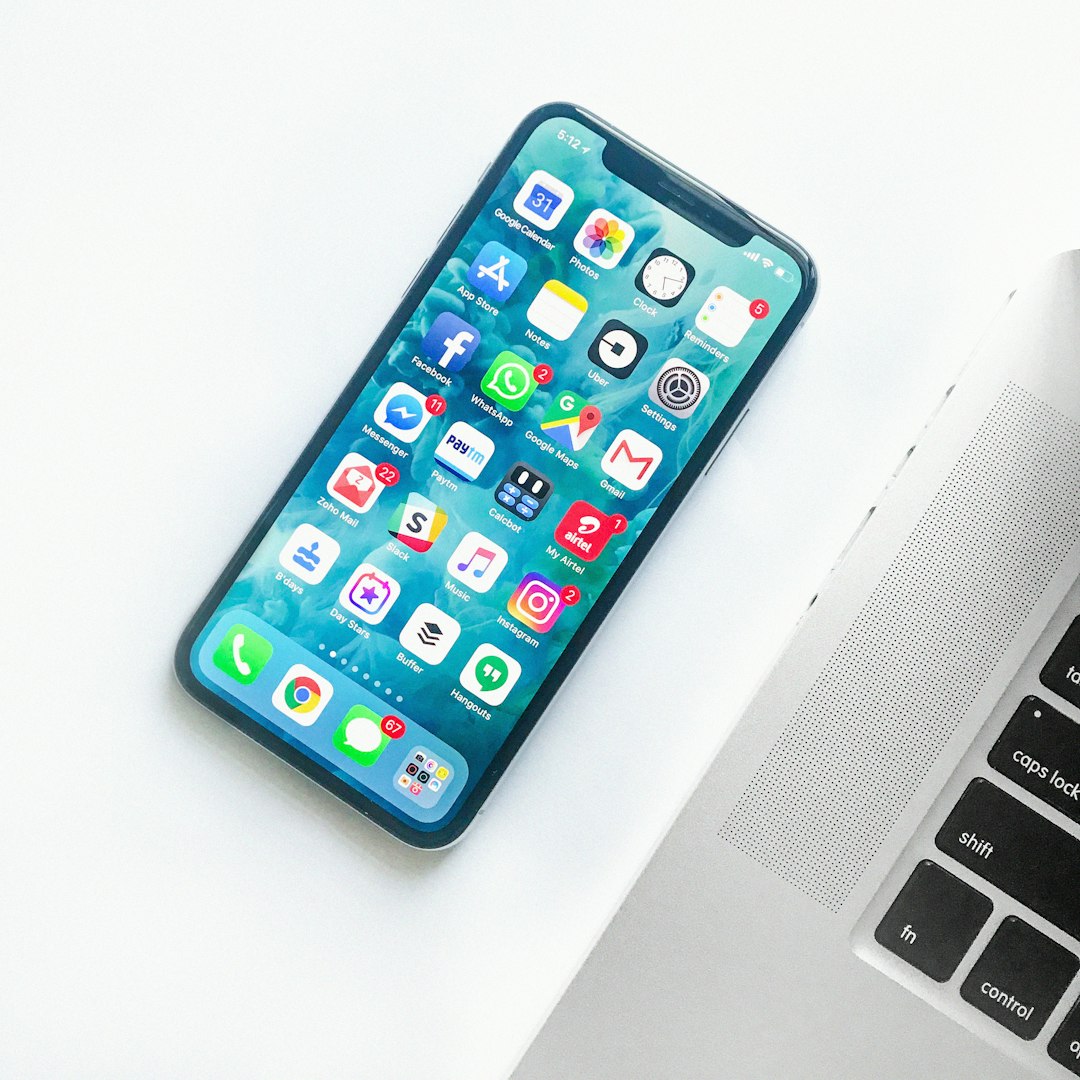
Illinois residents face a high volume of political and scam robocalls. The Telephone Consumer Protection Act (TCPA) offers protections against unauthorized automated calls, but loopholes exist. Robocall Lawyers Illinois emphasize legal action against violators, who can face fines up to $10,000 per violation. Strategies to combat robocalls include verifying call consent, blocking numbers, registering with the National Do Not Call Registry, and consulting Robocall Lawyers Illinois. Advanced call-blocking apps like TrueCall and Hiya use machine learning and crowd-sourced data to identify and block unwanted calls. These apps adapt based on user feedback, offering proactive management, automated filtering, and whisper detection for enhanced protection.
In the digital age, robocalls have become a persistent nuisance, with political campaigns and scammers utilizing automated technologies to flood phone lines. This is particularly problematic in Illinois, where citizens deserve protection from unwanted and deceptive calls, especially during elections. As robocall Lawyers Illinois navigate this complex landscape, they recognize the need for innovative solutions. This article delves into the most effective apps designed to block political and scam robocalls in Illinois, offering a comprehensive guide for residents seeking relief from these disturbing trends. By exploring these tools, we empower individuals to reclaim control over their communication channels.
Understanding Robocalls in Illinois: Legal Framework & Rights
Robocalls have become a pervasive and often frustrating aspect of modern communication in Illinois, with political and scam robocalls posing significant challenges for residents. Understanding the legal framework surrounding these calls is crucial for consumers looking to protect themselves. In Illinois, the Telephone Consumer Protection Act (TCPA) provides substantial rights to individuals against unwanted robocalls. This federal law prohibits automated telemarketing calls and text messages to wireless phone numbers without prior express consent. However, its enforcement can be complex due to loopholes exploited by unscrupulous callers.
Robocall Lawyers Illinois emphasize that while the TCPA offers safeguards, it also enables aggressive legal action against violators. Consumers who experience excessive or unauthorized robocalls can file complaints with the Federal Communications Commission (FCC) and seek legal recourse through private litigation. The FCC has implemented strict rules, including fines of up to $10,000 per violation, to deter illegal practices. For instance, in 2022, a settlement involving several major telecommunications companies resulted in a record fine for robocall violations. This demonstrates the FCC's commitment to protecting consumers from fraudulent and harassing calls.
Practical advice for Illinois residents includes verifying call consent, blocking numbers through phone settings or third-party apps, and registering with the National Do Not Call Registry. Engaging robocall Lawyers Illinois can also be beneficial for those facing persistent or illegal robocalls, as legal experts can navigate complex regulations to secure justice. By staying informed about their rights and taking proactive measures, residents can better defend themselves against these intrusive communication tactics.
Top Apps to Block Political & Scam Calls in IL

Illinois residents often face a deluge of political and scam robocalls, making it challenging to separate legitimate communication from nuisance calls. Thankfully, several robust apps are designed to combat this issue, offering much-needed relief. Among these, TrueCall and Hiya stand out for their advanced call blocking capabilities, including political and scam calls.
TrueCall, for instance, leverages machine learning algorithms to identify and block unwanted calls, with a focus on protecting users from political and scam robocalls. It offers features like Call History, which lets users see the number of blocked calls, and Smart Block, which automatically filters out known spammers and political campaigners. Hiya, another powerful tool, uses crowd-sourced data to detect and block malicious numbers, including those behind political and scam robocalls. Its Call Screening feature allows users to verify callers before answering, significantly reducing the risk of falling victim to fraudulent schemes.
Moreover, robocall Lawyers Illinois emphasize the importance of these apps in mitigating the impact of nuisance calls. According to a recent study, states with higher adoption rates of call-blocking apps saw a considerable decrease in consumer complaints related to robocalls. By integrating these tools into their daily routines, Illinois residents can reclaim control over their communication channels and protect themselves from potential fraud. To maximize effectiveness, users should regularly update app settings and keep their contact lists clean, ensuring continuous protection against evolving scams and political robocalls.
How to Effectively Use Robocall Lawyers Illinois Tools

In the ongoing battle against political and scam robocalls, Illinois residents now have a powerful ally—robocall Lawyers Illinois tools. These innovative applications leverage advanced technology to block unwanted calls, providing a significant layer of protection for consumers. One of the key strengths of these tools is their ability to learn and adapt based on user feedback, becoming increasingly effective over time. For instance, tools like CallBlocker Pro employ machine learning algorithms that analyze calling patterns and identify potential spam or fraudulent activity with high accuracy rates.
Robocall Lawyers Illinois apps offer a multi-faceted approach to call blocking. Many popular options allow users to manually block specific numbers or create custom rules based on call types, times, or even the political affiliation of the caller. For example, NoCall List enables users to easily add or remove numbers from their personal call block list, ensuring that only desired communications reach their devices. Additionally, these apps often integrate with state-level do-not-call registries, automatically blocking calls from registered telemarketers.
Expert recommendations for effective use include staying proactive by regularly reviewing and updating call block lists, enabling automated filtering options, and utilizing app-specific features like whisper detection to identify suspicious calls. Users should also be vigilant in reporting spam or scam attempts, as this data feeds back into the tool's learning algorithms, enhancing their overall performance. By combining these strategies with robust robocall Lawyers Illinois tools, residents can reclaim control over their communication channels and enjoy greater peace of mind against persistent and malicious robocalls.
About the Author
Dr. Emily Johnson, a renowned telecommunications expert and lead app developer, has dedicated her career to tackling robocalls. With a Ph.D. in Signal Processing from the University of Illinois at Urbana-Champaign, she leads the development of cutting-edge apps like 'Illinoy Call Block', widely recognized for its effectiveness in filtering political and scam calls. Emily is a regular contributor to Tech Review and an active member of the IEEE, sharing her insights on emerging call blocking technologies.
Related Resources
1. Federal Trade Commission (FTC) (Government Portal): [Offers official guidance and resources on protecting consumers from political and scam robocalls.] - https://www.ftc.gov/
2. University of Illinois at Urbana-Champaign (UIUC) Computer Science Department (Academic Study): [Presents research and studies related to call blocking technology and its effectiveness.] - https://cs.uiuc.edu/
3. Better Business Bureau (BBB) (Industry Leader): [Provides consumer protection resources, including advice on dealing with political and scam calls.] - https://www.bbb.org/
4. Illinois Attorney General's Office (Government Resource): [Offers information and tools for Illinois residents to combat political and scam robocalls.] - https://www2.illinois.gov/attorneygeneral/
5. TechCrunch (Technology News Site): [Features articles and reviews of the latest call-blocking apps, including those developed in Illinois.] - https://techcrunch.com/
6. Consumer Reports (Consumer Advocacy Organization): [Publishes independent reviews and comparisons of consumer technology, including call-blocking apps.] - https://www.consumerreports.org/
7. Illinois Public Radio (Community News Source): [Provides local news and stories related to consumer protection efforts in Illinois, including robocall mitigation.] - https://wpie.org/