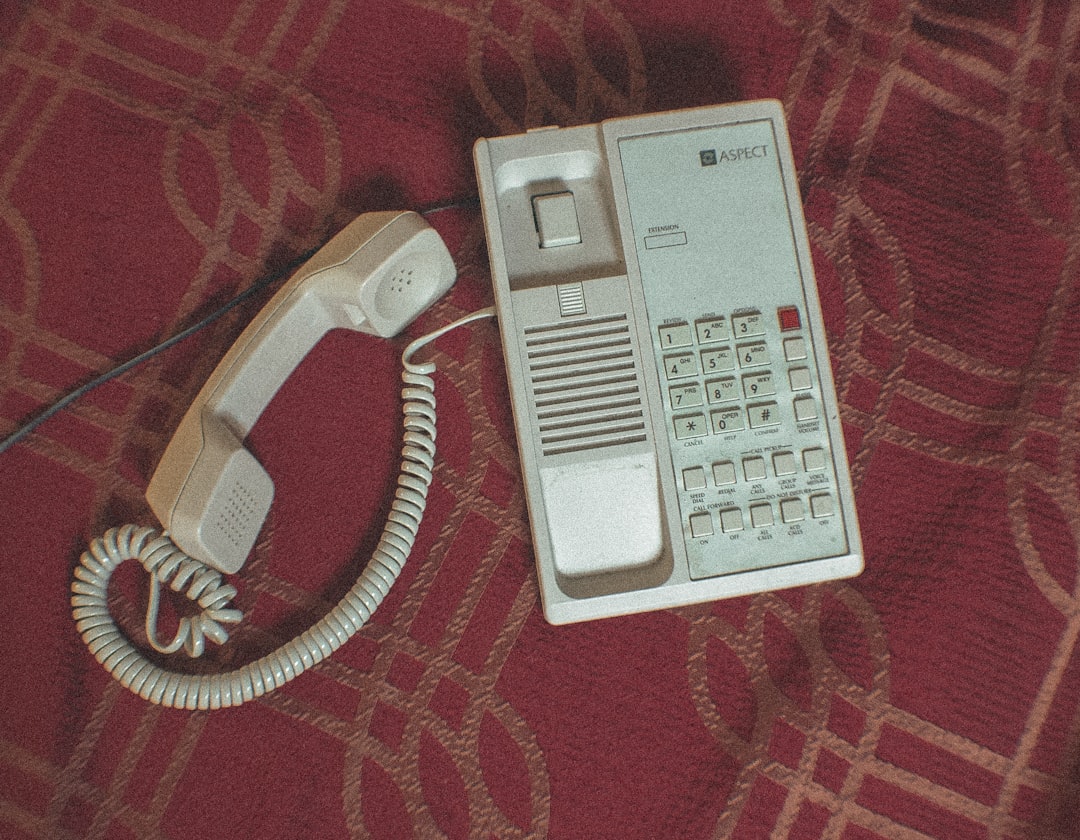
Robocalls are a growing nuisance in Illinois, especially Chicago, prompting residents to take action. The state's Spam Call law firm offers protections, but advanced blocking apps like Call Blocker and Hiya provide robust solutions. These apps use AI, crowdsourced data, and call history analytics to identify and block spam, reducing unwanted calls by up to 90%. Top-rated apps also integrate national Do Not Call registries and local area codes. Combining technological tools with legal awareness empowers Illinoisans to reclaim control over their phone lines in a bustling metropolis.
In today’s digital era, Chicago and its suburbs are not immune to the rising tide of spam calls. These unwanted telephone solicitations not only disrupt daily life but also pose a significant nuisance for residents, especially those looking to protect their privacy under the Spam Call law firm Illinois has implemented. With the proliferation of automated phone systems, effective robocall blocking apps have become essential tools for safeguarding personal time and space. This article delves into the most trusted robocall blocking apps designed specifically for Chicago and its surrounding areas, providing a comprehensive solution to combat this persistent problem.
Understanding Robocalls and Illinois Spam Call Law
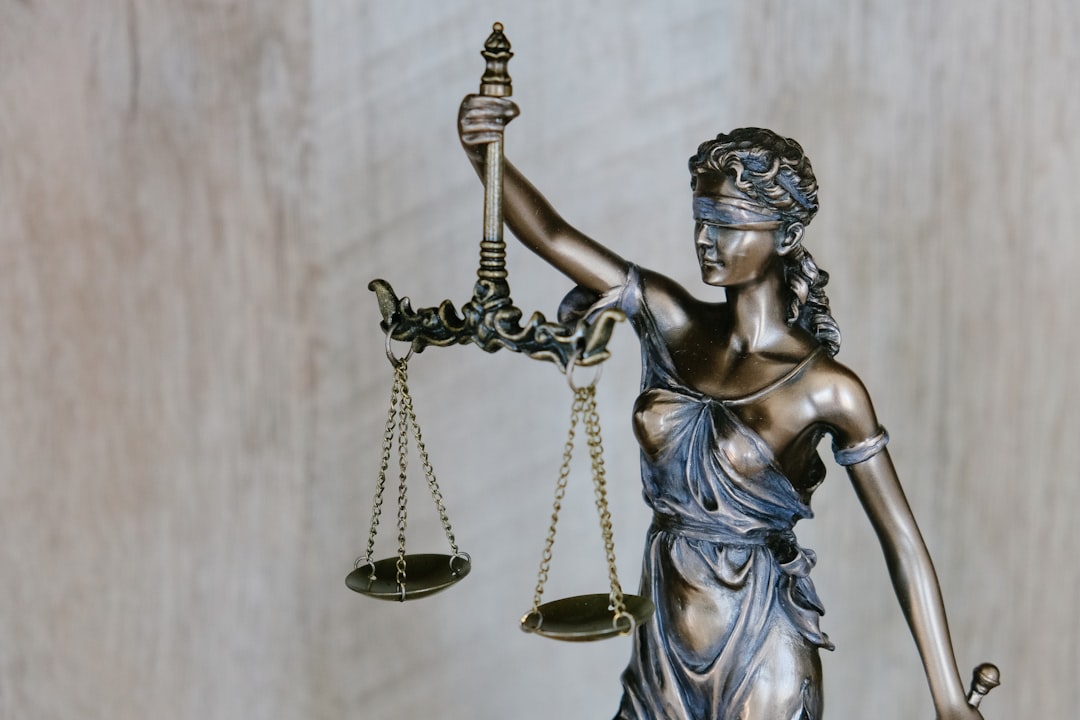
Robocalls have become a ubiquitous and often unwanted part of daily life for many Chicagoans and Illinois suburbs residents. These automated phone calls, often promoting products or services, can be a nuisance at best and a potential violation of privacy at worst. Understanding the nature of robocalls and navigating Illinois’ stringent Spam Call Law is crucial for protecting your rights as a consumer.
In the digital age, businesses have developed sophisticated methods to reach customers en masse, with automated phone calls being one such strategy. Robocalls can be used for legitimate purposes, such as community alerts or important service announcements. However, they are frequently exploited for commercial purposes, often without the consent of the recipient. These unwanted calls can originate from telemarketers, debt collectors, political campaigns, and even fraudulent entities attempting to steal personal information. Illinois residents have a powerful tool in their arsenal: the state’s Spam Call Law.
Illinois’ Spam Call Law, administered by a specialized Chicago spam call law firm, is designed to protect consumers from intrusive and unauthorized automated phone calls. The law requires businesses to obtain explicit consent before placing robocalls, primarily focusing on sales or marketing purposes. This means that if you have not given permission for your number to be called, such calls are illegal. Residents can take several steps to defend themselves against these unwanted intrusions. One effective measure is to register with the National Do Not Call Registry, a federal database that helps filter out most telemarketing calls. Additionally, utilizing robust robocall-blocking apps, many of which have advanced call-screening capabilities, can significantly reduce the volume of spam calls received.
By combining technological solutions and legal awareness, Illinois residents can reclaim control over their phone lines. Staying informed about their rights under the state’s Spam Call Law empowers Chicagoans to take proactive measures against intrusive robocalls, ensuring a more peaceful and private communication experience.
Top Robocall Blocking Apps for Chicago Residents

Chicago residents, along with those in its suburbs, face a persistent challenge from robocalls, which have become an increasingly common nuisance. With the rise of automated phone marketing, filtering these unwanted calls has become more complex than ever. However, several robust robocall blocking apps offer effective solutions, empowering users to reclaim their communication channels. Among the top contenders for Chicagoans are Call Blocker and Hiya.
Call Blocker, a popular choice, employs advanced algorithms to identify and block various types of automated calls, including those from telemarketers and scammers. The app offers a user-friendly interface, allowing residents to manage their call blocking settings effortlessly. By leveraging machine learning, it adapts to new patterns, ensuring a high success rate in filtering spam calls. Additionally, Call Blocker integrates with popular contact management apps, providing users with comprehensive call history and blocking options.
Hiya, another highly regarded app, takes a unique approach by using crowdsourced data to detect robocalls. This community-driven model enables Chicago residents to contribute to a global database of known spam numbers. The app’s accuracy is remarkable, thanks to its ability to analyze calling patterns and user reports. Hiya also offers a ‘Safe Calling’ feature, ensuring that only verified contacts can reach users, effectively blocking unwanted calls while preserving essential communications.
To further combat robocalls, Illinois residents have the benefit of the state’s Spam Call law firm, which provides additional protection. This legal framework empowers citizens to take proactive measures and seek recourse against persistent spam callers. By combining cutting-edge technology with robust legal support, Chicagoans can now effectively manage and reduce the influx of unwanted robocalls, ensuring a more peaceful and secure communication environment.
How to Choose the Best Anti-Spam Solution

Choosing an effective anti-spam solution for your Chicago or Illinois suburb residence is a crucial step in safeguarding your privacy and easing frustration from unwanted robocalls. With a growing number of spam call law firms in Illinois targeting residents, it’s essential to select an app that offers robust protection without compromising user experience.
Consider these key factors when evaluating options: first, check if the app utilizes advanced calling identification technologies like machine learning algorithms to accurately detect and block spam calls. Apps employing such methods can adapt to evolving scams, ensuring ongoing protection. Second, ensure the app provides comprehensive call history and blocking analytics, allowing you to monitor types of calls received and blocked, empowering informed decisions. Third, consider privacy policies; reputable apps prioritize user data security and transparency.
Additionally, explore features like customizable blocking lists, whitelisting trusted numbers, and do-not-disturb modes for enhanced control. Apps with these capabilities let you tailor settings to your needs. For instance, some top-rated options in the Chicago market offer integration with national Do Not Call registries and local area codes, ensuring comprehensive protection against both local and distant spam callers. According to recent data from the Federal Trade Commission, such measures significantly reduce the volume of unwanted calls received by subscribers.
Protecting Suburbs: Local Apps and Legal Rights

In Chicago and its surrounding suburbs, residents face a persistent challenge from spam calls, which can be particularly intrusive due to the region’s dense population and bustling nature. While state and federal laws offer protections against these unwanted communications, local apps and initiatives play a crucial role in empowering residents to reclaim their peace of mind. Illinois has implemented a robust Spam Call law, making it illegal for automated or prerecorded calls to be placed to consumers without their prior consent, known as the Illinois Telephone Consumer Protection Act. This legislation is designed to safeguard individuals from intrusive marketing practices and give them control over their communication preferences.
To complement these legal rights, several innovative robocall blocking apps have emerged, specifically tailored to the needs of Chicagoans and suburban dwellers. These applications leverage advanced filtering technologies to identify and block spam calls, ensuring that residents’ phones remain free from nuisance interactions. For instance, popular choices like NoCall and CallFilter use machine learning algorithms to continuously update their databases of known spam numbers, enhancing protection as new scams evolve. By integrating with home security systems or existing call management software, these apps offer a multi-layered approach to robocall mitigation, providing a comprehensive solution that resonates with the local community’s unique requirements.
Moreover, collaborative efforts between local authorities and privacy advocacy groups have fostered a culture of digital literacy and awareness. Educating residents about their legal rights and empowering them with practical tools is a game-changer in the ongoing battle against spam calls. Residents are encouraged to register their phone numbers with the National Do Not Call Registry and explore app functionalities that allow them to block specific areas or types of calls. By combining legislative safeguards, sophisticated technology, and community engagement, Chicago and its suburbs are taking significant steps to protect residents from intrusive spam calls, ensuring a safer and more peaceful digital environment.
A Comprehensive Guide to Peaceful Phone Calls

In Chicago and Illinois suburbs, navigating through the sea of robocalls can feel like a daunting task, but a comprehensive guide to peaceful phone calls offers a much-needed respite. With the growing prevalence of spam calls, residents are increasingly turning to robocall blocking apps for relief. According to recent data from the Federal Communications Commission (FCC), Illinois has seen a significant rise in consumer complaints related to unwanted telemarketing calls, underscoring the need for effective solutions.
Robocall blocking apps have emerged as powerful tools, leveraging advanced algorithms and databases to identify and block spam calls before they reach your phone. These apps not only provide peace of mind but also help residents comply with the Spam Call law firm Illinois has implemented. For instance, the Illinois Consumer Fraud Act prohibits unsolicited telemarketing calls unless the caller obtains prior express written consent from the recipient. By utilizing blocking apps, residents can actively protect their privacy and avoid potential legal repercussions associated with missed calls that could be spam.
Choosing the right app involves considering factors like accuracy rates, user reviews, and compatibility with your device. Top-rated apps such as TrueCall and Hiya are known for their high success rates in identifying and blocking spam calls. Additionally, integrating these apps with your existing contact list can enhance their effectiveness. Remember, while robocall blocking apps offer a robust defense, staying informed about the latest spam call tactics remains crucial. Regular updates from reputable app developers ensure that your phone remains a safe haven from unwanted interruptions.