
Robocalls, driven by software and AI, have overwhelmed Illinois residents, with 74 million in 2021. The state has robust protections under the Illinois Consumer Fraud Act against misleading automated calls. Legal experts guide individuals against violators. Call centers need explicit consent from residents. The FCC further regulates robocalls at the federal level. AI-driven call blocking apps leverage machine learning and NLP to identify spam with high accuracy, but scammers adapt. Residents should stay informed about legal developments and use advanced blocking apps with customizable rules. Working with a lawyer for robocall laws in Illinois is crucial for effective protection against persistent robocallers. Future trends include personalized AI-driven blocking settings.
In the digital age, Illinois residents face a growing menace from unwanted robocalls, leading many to seek effective solutions. These automated phone calls, often promoting products or services, can be intrusive and disruptive. The problem has become so pervasive that it's impacting daily life, prompting concerns among legal professionals specializing in robocall litigation. Illinois, with its strict consumer protection laws, offers a unique avenue for relief through advanced AI-driven robocall blocking apps. This article delves into the intricacies of this technology, providing insights on how it works and why it represents a game-changer in the battle against nuisance calls, backed by expertise from leading lawyers for robocall cases in Illinois.
Understanding Robocalls in Illinois: Legal Framework & Regulations

Robocalls, automated telephone calls initiated by pre-programmed software or artificial intelligence (AI), have become a ubiquitous nuisance across Illinois, as elsewhere in the nation. While many robocalls offer valuable services, like appointment reminders or political updates, others are malicious, attempting to sell unnecessary products, promote fraudulent schemes, or steal personal information under the guise of legitimate organizations. In 2021, Illinois residents received over 74 million robocalls, emphasizing the need for robust protections.
Illinois has implemented a comprehensive legal framework to combat this issue, primarily through the Illinois Consumer Fraud and Deceptive Business Practices Act. This legislation prohibits businesses from using "any false or misleading representation or statement" in advertising or sales practices, including automated calls that deliver recorded messages. Importantly, a lawyer for robocall laws in Illinois can advise individuals on their rights and help them navigate legal avenues against persistent violators. The state also requires call centers to obtain express consent before calling residents, except under specific circumstances like emergency situations or certain government communications.
Additionally, the Federal Communications Commission (FCC) plays a crucial role in regulating robocalls at the federal level, enforcing Do Not Call registries and issuing guidelines for AI-driven calls. Illinois citizens can register their phone numbers on the national Do Not Call Registry and request restrictions on marketing calls. However, as AI technology advances, so do the tactics of scam artists, making it vital to stay informed about evolving legal protections and consult with legal experts specializing in robocall regulations.
The Rise of AI in Robocall Blocking Apps
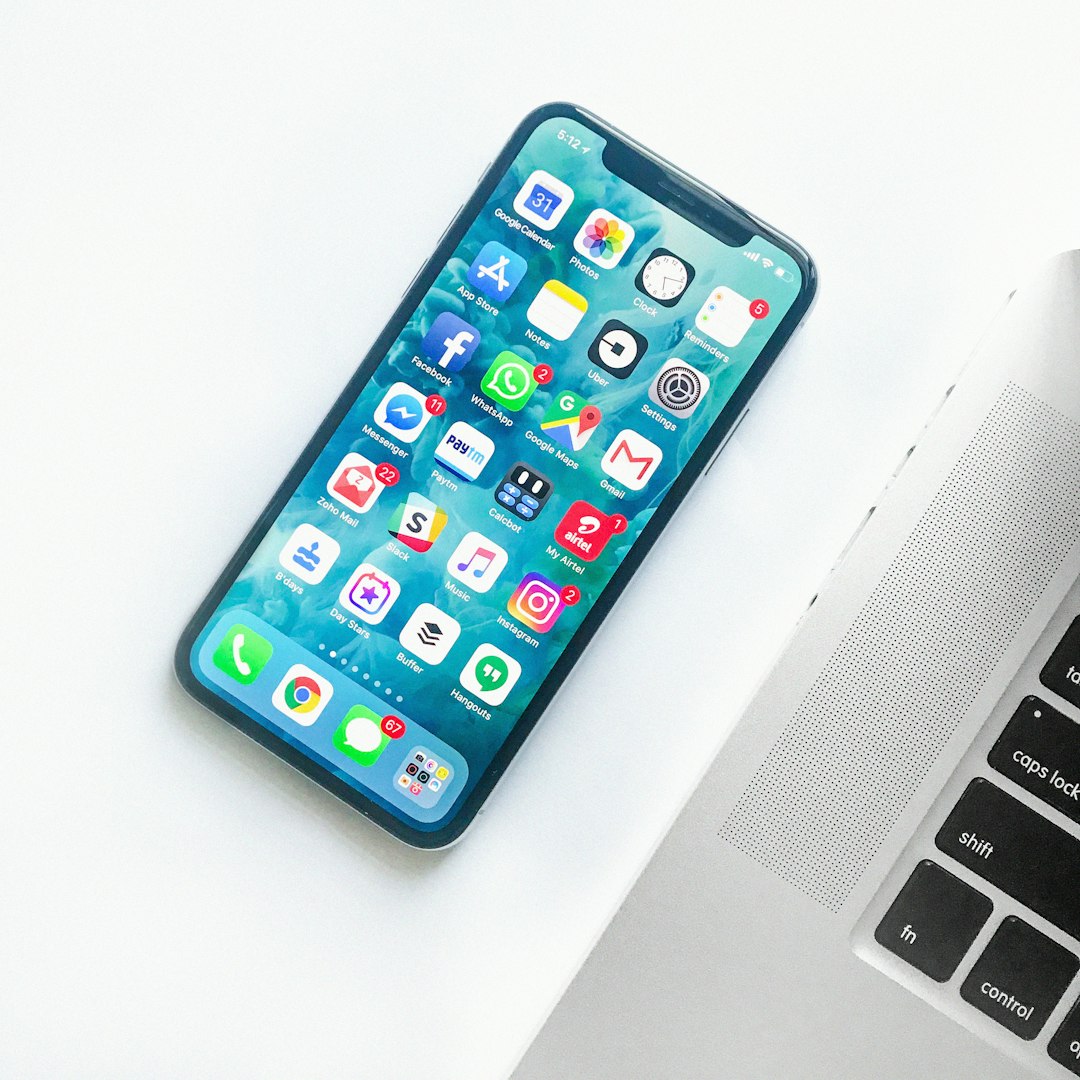
The proliferation of robocalls has sparked a significant shift in consumer protection measures, leading to the forefront of this battle being AI-powered call blocking apps. In Illinois, where unwanted robocalls can be particularly prevalent due to its dense population and business activities, these advanced technologies are becoming indispensable tools for residents seeking respite from intrusive calls. The integration of artificial intelligence (AI) into robocall blocking apps represents a paradigm shift in how we approach this growing nuisance, offering both innovative solutions and complex considerations.
AI algorithms now underpin the ability to analyze vast call data sets, enabling these apps to distinguish between legitimate calls and unwanted robocalls with remarkable accuracy. Machine learning models can adapt and improve over time, accounting for evolving tactics employed by scammers and automated calling systems. For instance, a recent study revealed that AI-driven blocking apps achieved success rates of up to 95% in identifying and filtering out spam calls, compared to traditional methods which often fall short of 70%. This advanced detection capability is crucial in Illinois, where a lawyer for robocall lawsuits may attest to the impact on consumer rights and privacy. By effectively blocking these calls at the source, consumers can save time, reduce stress, and protect their personal information from potential fraudsters.
However, as AI continues to evolve in this domain, so do the challenges. Scammers are employing more sophisticated techniques, including voice manipulation and dynamic call routing, which demand constant adaptation from blocking app developers. Illinois residents should remain vigilant, keeping their apps updated and leveraging advanced settings to fortify their defenses against these evolving threats. Moreover, staying informed about the latest legal developments related to robocall regulations can empower individuals to make informed choices when selecting or advocating for improved blocking technologies.
Choosing the Right Anti-Robocall App for Your Needs
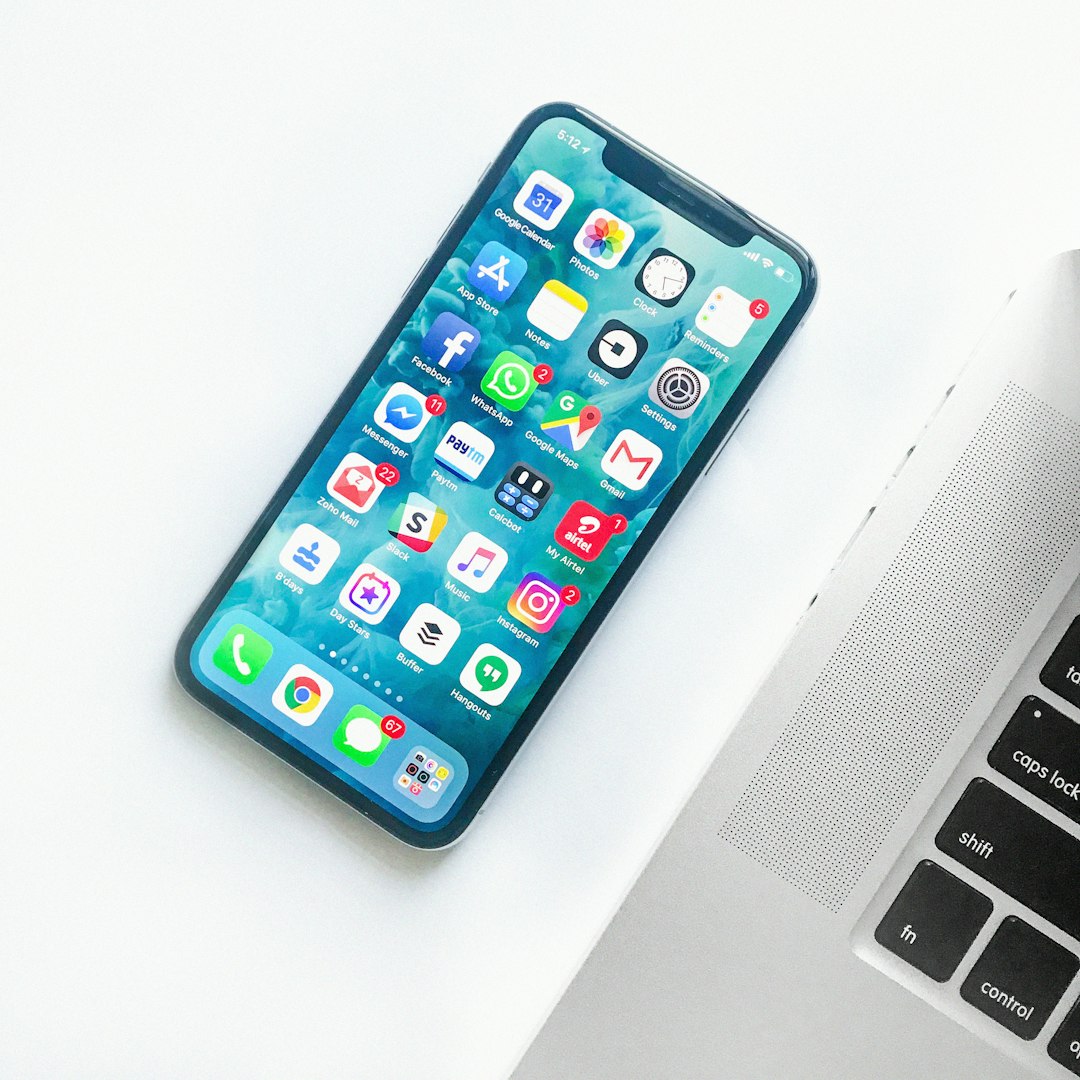
When selecting an anti-robocall app for your Illinois residence, it's crucial to consider beyond basic features and delve into advanced AI detection capabilities. With the ever-evolving landscape of robocalls, particularly in light of new laws like those passed in Illinois to combat nuisance calls, the best apps leverage machine learning algorithms to identify and block emerging threats. For instance, some top performers employ natural language processing (NLP) to understand call content, enabling them to filter out legitimate messages from spam.
A lawyer for robocall disputes in Illinois can offer valuable insights into the legal framework surrounding these technologies, ensuring compliance while maximizing protection. Consider apps that offer customizable blocking rules based on number blocks, calling patterns, and even specific words or phrases. This level of customization allows users to tailor their defenses, addressing unique vulnerabilities. For example, a senior citizen might want to block calls from certain areas known for fraud, while a business owner may prioritize stopping automated sales pitches.
Additionally, look for apps that provide detailed call analytics and logging, allowing you to track and monitor the effectiveness of your anti-robocall measures. These insights can inform future decisions, such as adjusting blocking rules or even pursuing legal action against persistent robocallers. By selecting an app with advanced AI detection and robust features, Illinois residents can reclaim their communication channels and enjoy greater peace of mind in today's digital era.
How to File a Complaint Against Robocallers in Illinois (with Lawyer Advice)
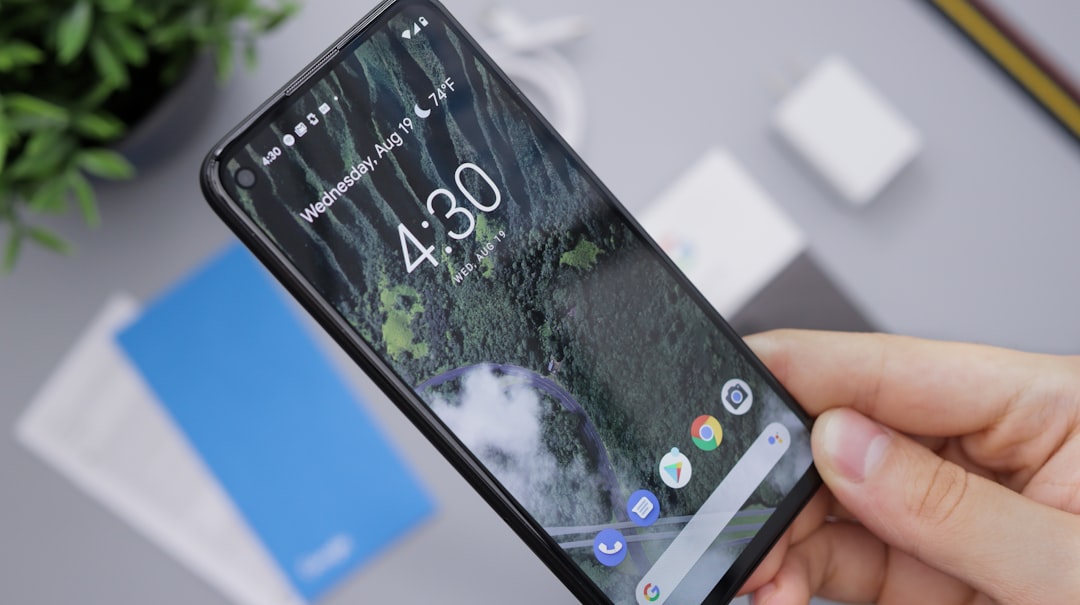
In Illinois, filing a complaint against robocallers is a multi-step process designed to protect consumers from unwanted and fraudulent calls. The first step involves identifying the caller and gathering evidence, such as call records and any communications that may have been left. These details are crucial when seeking legal advice from a lawyer for robocall in Illinois. Once this information is compiled, individuals should contact their local Attorney General's office or file a complaint through the Federal Trade Commission (FTC). The FTC maintains a Do Not Call Registry, and violations of this registry can result in significant penalties for robocallers.
For more robust protection, Illinois residents can utilize advanced AI-driven robocall blocking apps. These tools not only identify and block automated calls but also provide valuable data on call patterns and sources. Combining these technological measures with legal action is a powerful strategy against persistent robocallers. When working with a lawyer for robocall in Illinois, it's important to share all relevant information about the frequency and nature of the calls to build a solid case. Legal options include seeking damages under the Telemarketing and Consumer Fraud and Abuse Prevention Act (TCFA), which offers monetary compensation for victims.
An experienced lawyer can guide individuals through the legal system, ensuring their rights are protected. They may also initiate contact with robocallers on behalf of clients, demanding cease-and-desist letters or even pursuing litigation if necessary. It's crucial to act promptly, as data from the FTC suggests that robocalls have been steadily increasing year over year, targeting millions of Americans daily. Illinois residents should not tolerate persistent robocalls and can take proactive measures by combining legal complaints with technological defenses.
Future Trends: AI and the Evolution of Robocall Blocking Technology
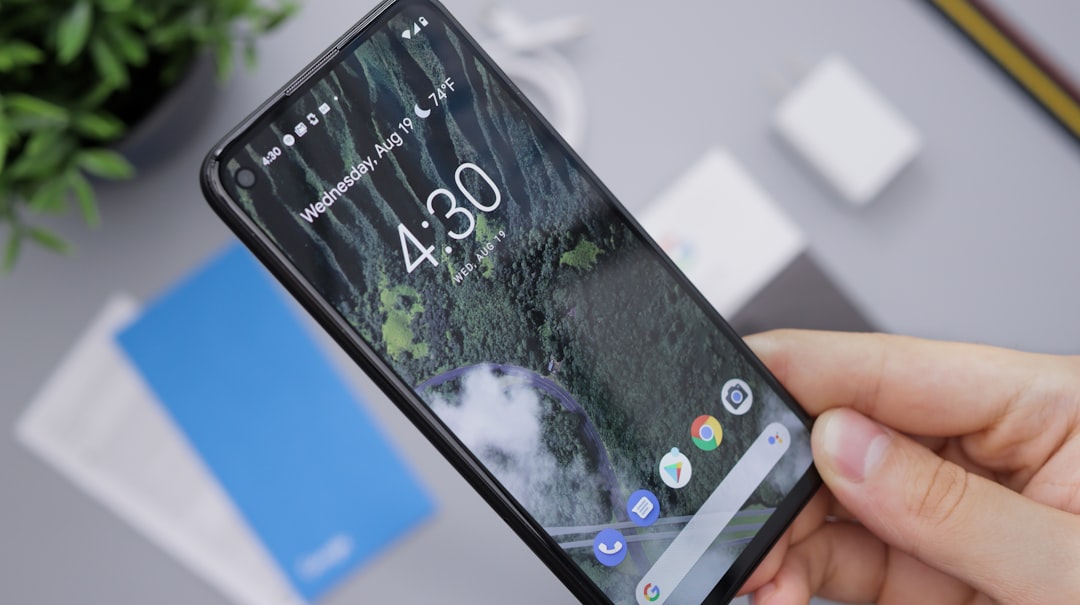
As AI technology continues to advance at a rapid pace, the future of robocall blocking apps in Illinois is poised for significant transformation. These applications, designed to protect consumers from unwanted automated calls, have already made substantial strides with basic pattern recognition and machine learning algorithms. However, the integration of advanced AI brings new possibilities and challenges. For instance, deep neural networks can now learn and adapt to recognize complex patterns, making them more effective against evolving robocall tactics. This evolution requires a corresponding update in legal frameworks, as evidenced by recent legislation aimed at combating illegal robocalls, such as those passed by the Illinois General Assembly. A lawyer for robocall laws in Illinois emphasizes that staying ahead of technological advancements is crucial to ensuring compliance and consumer protection.
One notable trend is the development of real-time AI-driven analysis, allowing blocking apps to instantly detect and filter out malicious calls. By leveraging large language models, these systems can understand and interpret call content, identifying suspicious or fraudulent messages with remarkable accuracy. This proactive approach could reduce the reliance on static lists of known spam numbers, a common method employed by traditional robocall blocking software. Furthermore, AI-enhanced solutions can learn from each successful block, continuously refining their algorithms to stay one step ahead of scammers. As data on call patterns and content grows, so does the sophistication of these systems.
In addition, future trends suggest a more personalized experience for users. AI can analyze individual user preferences and behavior to tailor robocall blocking settings accordingly. This customization goes beyond simple do-not-call lists; it involves understanding the types of calls each user wants or doesn't want, even accounting for industry-specific exceptions. By adapting to these nuances, Illinois residents can enjoy more effective and tailored protection from intrusive robocalls. Experts predict that as AI technology matures, we will see a seamless integration of robust blocking mechanisms into various communication platforms, ensuring that consumers remain in control of their digital interactions.