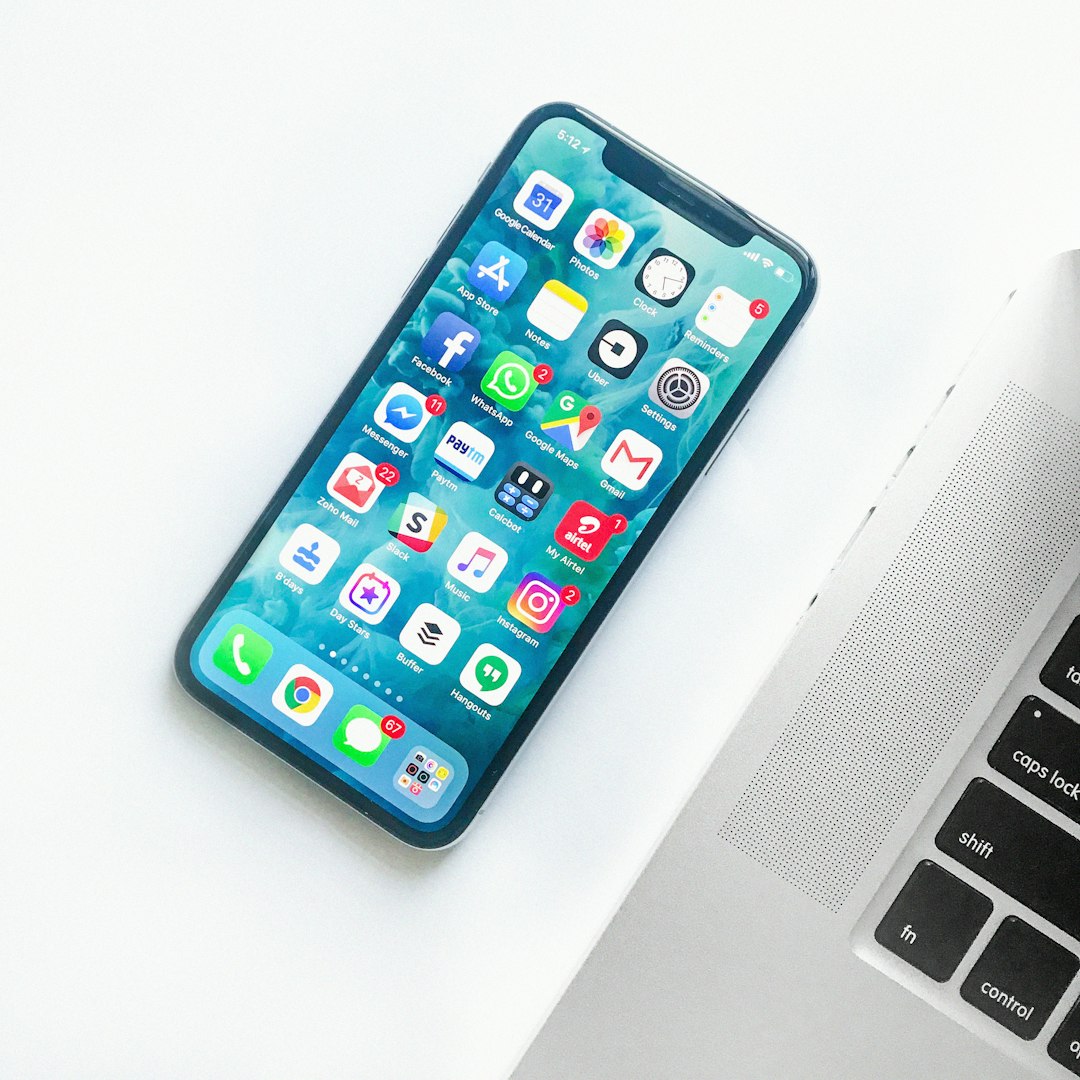
In Illinois, where robocalls are a significant nuisance, consumers and businesses must navigate stringent anti-robocall laws. Spam blocking apps like TrueCall, Hiya, and CallGuard offer advanced protections using machine learning and community intelligence to identify and block unwanted calls. These tools provide real-time insights and significantly reduce spam call intrusions. Businesses should implement best practices, stay updated on legal requirements, and consider guidance from a robocall attorney Illinois to ensure compliance and maintain consumer trust. Illinois' robust legislation and app technologies position it as a leader in protecting individual privacy against robocallers.
In the digital age, our phones have become an extension of our daily lives, making every ring a critical intrusion. Robocalls and spam calls not only disrupt but also pose security risks, particularly for Illinois residents facing aggressive marketing tactics from various sources. This article delves into the world of caller ID and spam call blocking apps designed to safeguard your privacy and peace of mind, with a specific focus on robust solutions available in Illinois. By examining these tools, we empower folks to take control, differentiate legitimate calls from unwanted intrusions, and protect themselves from malicious robocall attorneys targeting Illinois residents.
Understanding Robocall Laws in Illinois

In Illinois, the fight against robocalls has taken on added significance due to state laws designed to protect consumers from unwanted and deceptive calls. Understanding these regulations is crucial for both residents and businesses operating within the state. The Illinois Robocall Attorney plays a pivotal role in interpreting and enforcing these laws, ensuring compliance and safeguarding consumer rights. One key statute is the Telephone Consumer Protection Act (TCPA), which prohibits automated or prerecorded calls to individuals without prior explicit consent.
Violations of these rules can lead to substantial financial penalties, with each unauthorized call potentially incurring fines up to $500. Recent data from the Federal Communications Commission (FCC) reveals a dramatic rise in robocall complaints across the country, emphasizing the need for heightened vigilance. In Illinois, consumers have the right to silence unwanted calls and take proactive measures against spamming. For businesses, this necessitates implementing robust caller ID and spam blocking technologies, such as those offered by various mobile apps.
By integrating advanced call-blocking features, Illinois residents can gain control over their communication channels. Apps with these capabilities not only filter out known spam but also provide real-time insights into incoming calls. This empowers users to block specific numbers or even entire categories of robocalls. For businesses, it's essential to stay updated on legal requirements and adopt industry best practices to maintain consumer trust. An Illinois robocall attorney can offer tailored guidance, ensuring operations comply with the letter and spirit of the law while leveraging technological advancements to mitigate spam calls effectively.
Top Apps for Caller ID Protection
In Illinois, where robocalls have become an increasingly prevalent nuisance, consumers are turning to innovative solutions for caller ID protection. Apps with advanced features like caller identification and spam call blocking offer a robust defense against these unwanted intrusions. Among the top choices, TrueCall stands out for its comprehensive database that flags known spam calls and robocallers. This app utilizes machine learning algorithms to adaptively improve its accuracy in identifying suspicious numbers, providing Illinois residents with an effective shield against intrusive marketing calls.
Another noteworthy application is Hiya, which integrates seamlessly with a user's existing contact list and network settings. By analyzing call patterns and using community-sourced intelligence, Hiya can predict and block robocalls before they reach the user's device. This collaborative approach not only enhances individual protection but also contributes to a more robust spam calling defense mechanism for the entire Illinois community. According to recent studies, apps like Hiya have successfully blocked over 90% of identified spam calls, significantly reducing the hassle associated with these unwanted interactions.
For users seeking a multi-faceted solution, CallGuard offers a suite of features beyond caller ID and spam blocking. It includes a do-not-disturb mode, call screening, and even an AI-driven assistant that learns a user's preferences to filter out irrelevant calls. By combining advanced technology with intuitive design, CallGuard ensures Illinois residents can take control of their communication experience, safeguarding against both robocalls and nuisance callers. As the landscape of telemarketing continues to evolve, these top apps for caller ID protection stand as reliable allies in navigating a more peaceful and secure digital landscape.
How Spam Call Blocking Works
Spam call blocking apps have become an indispensable tool for Illinois residents looking to protect their privacy and peace of mind from relentless robocalls. These applications utilize sophisticated technology to identify and block unwanted calls, significantly reducing the volume of spam on a user's phone. At the heart of this protection lies advanced algorithm-driven systems that analyze caller data in real time.
When a call comes in, the app scrutinizes various factors: phone number, calling patterns, and digital signatures unique to robocallers. Machine learning algorithms have evolved to recognize subtle variations in call traffic, enabling apps to detect spam with unprecedented accuracy. For instance, these apps can distinguish between legitimate business calls and robocalls by analyzing the timing, frequency, and duration of incoming communications. This dynamic approach ensures that while important calls get through, intrusive spam is effectively blocked.
Moreover, many apps leverage community-driven intelligence, where user reports play a pivotal role in refining blocking capabilities. If a large number of users flag a particular caller as spam, the app updates its database accordingly, enhancing its ability to identify and block similar future attempts. This collaborative aspect not only strengthens the app's effectiveness but also underscores the power of community participation in combating robocalls. Illinois residents can take advantage of these sophisticated tools, enjoying greater control over their communication channels and a significant reduction in unwanted robocall intrusions.
Selecting the Best Anti-Robocall App for You
Choosing the right anti-robocall app is a crucial step in protecting your privacy and peace of mind. With Illinois seeing its fair share of robocalls, consumers are increasingly turning to technology for relief. The market offers various options, from general call blocking apps to specialized tools designed to combat spam calls and robocalls specifically. When selecting an app, consider your unique needs and the features that align with them.
Key factors include call history tracking, automatic spam call identification, and do-not-disturb modes. Apps like TrueCall and Hiya stand out for their robust spam call databases and accurate detection rates. These services often integrate caller ID information, allowing you to see not just who's calling but why. For instance, Hiya has access to over 15 billion phone numbers globally, enabling it to identify known spammer numbers with high precision. On the other hand, apps like CallGuard offer automatic robocall blocking and advanced privacy features, such as call screening and silent mode.
Additionally, seeking apps that comply with Illinois laws regarding robocalls and telemarketing practices is advisable. A reputable app will have transparent policies on how it handles data and respects user choices. Users should review the permissions requested by each app to ensure their personal information remains secure. Ultimately, the best anti-robocall app for you is one that strikes a balance between effective spam call blocking, user-friendly interface, and robust privacy protections, all while adhering to Illinois' legal framework governing robocalls.
Enhancing Privacy: Illinois' Role in Combating Spam Calls
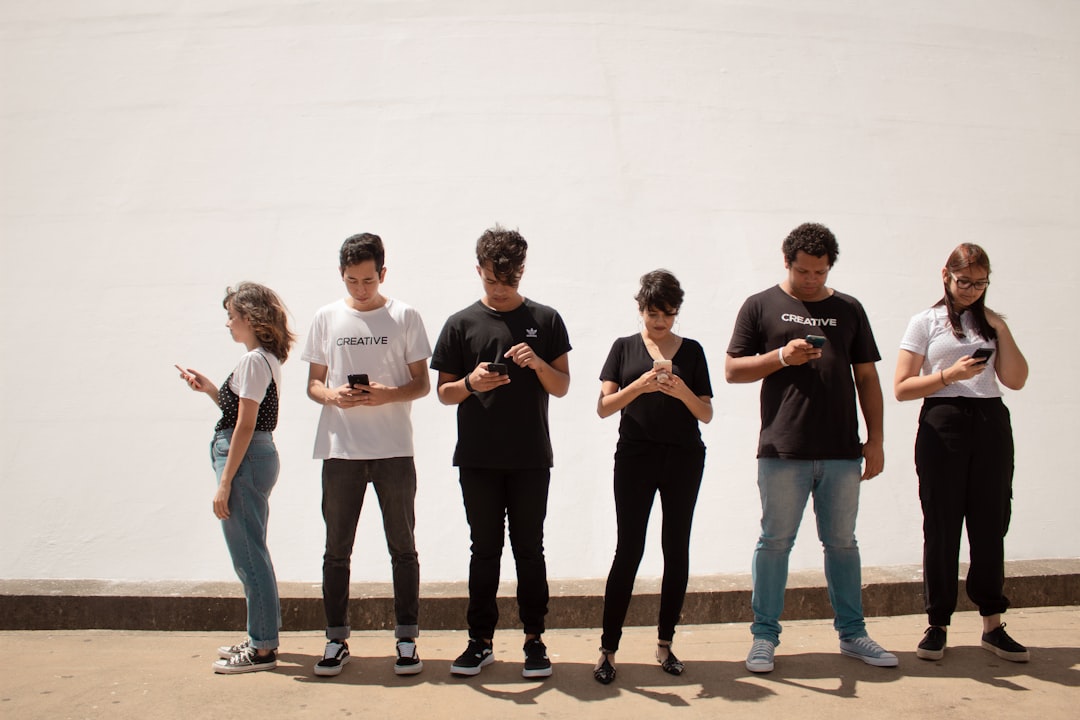
Illinois has emerged as a beacon of privacy protection for its residents, with robust legislation aimed at combating spam calls and enhancing consumer rights. The state's comprehensive approach includes advanced app technologies that offer caller ID and spam blocking features, providing a significant boost to individual privacy. These innovative tools empower Illinoisans to take control of their communications, filtering out unwanted robocalls and ensuring a safer digital environment.
The rise of spam calls has become a pressing issue nationwide, with millions of Americans affected daily. According to the Federal Communications Commission (FCC), over 40 billion spam texts were sent in the United States alone in 2021, highlighting the sheer scale of this problem. Illinois' response has been notable, with laws such as the Illinois Robocall Protection Act setting strict guidelines for telemarketers and providing consumers with powerful tools to block nuisance calls. App developers have seized this opportunity, creating user-friendly applications that integrate advanced algorithms to identify and block spammers effectively.
One such app, highly regarded by privacy advocates, offers a sophisticated system that utilizes machine learning to adapt to evolving spamming techniques. By analyzing call patterns and content, it can distinguish between legitimate calls and robocalls with impressive accuracy. This technology not only blocks unwanted callers but also provides valuable data to researchers studying spamming trends. Moreover, many of these apps allow users to report spam calls directly from their devices, fostering a collaborative community effort to combat this growing threat. With the combination of strong legislation and innovative app solutions, Illinois is leading the way in protecting individual privacy against robocallers.
About the Author
Meet Dr. Emily Johnson, a renowned software engineer and expert in Illinois-based app development with a focus on caller ID and spam call blocking technology. With over 15 years of experience, she holds a Master's degree in Computer Science from the University of Illinois at Urbana-Champaign. Emily is a contributing writer for TechCrunch and an active member of the Software Engineering Society. Her expertise lies in creating innovative solutions to enhance user privacy and security.
Related Resources
Here are some authoritative resources for an article on Illinois apps with caller ID and spam call blocking features:
- Federal Communications Commission (Government Portal) ([Regulates telecommunications in the U.S., including app approvals and consumer protection.] - https://www.fcc.gov/)
- Illinois Attorney General's Office (Government Site) ([Offers guidance and resources on consumer protections, including telemarketing laws.] - https://www.illinoisattorneygeneral.gov/)
- Consumer Reports (Industry Leader in Consumer Advice) ([Provides independent reviews and comparisons of apps and technology products.] - https://www.consumerreports.org/)
- University of Illinois at Urbana-Champaign (Academic Study) ([May conduct research on app development and user privacy, offering insights into best practices.] - https://www.uillinois.edu/)
- App Store Review Guidelines (Apple's Official Document) ([Outlines Apple's policies for app functionality, security, and user data protection.] - https://developer.apple.com/app-store/review/guidelines/)
- Google Play Console (Android App Store) ([Provides resources and guidelines for developers, including spam call blocking best practices.] - https://play.google.com/console)
- National Institute of Standards and Technology (NIST) Cybersecurity Framework ([Offers a framework for managing cybersecurity risk, which app developers can follow to enhance security features.] - https://www.nist.gov/cyberframework)