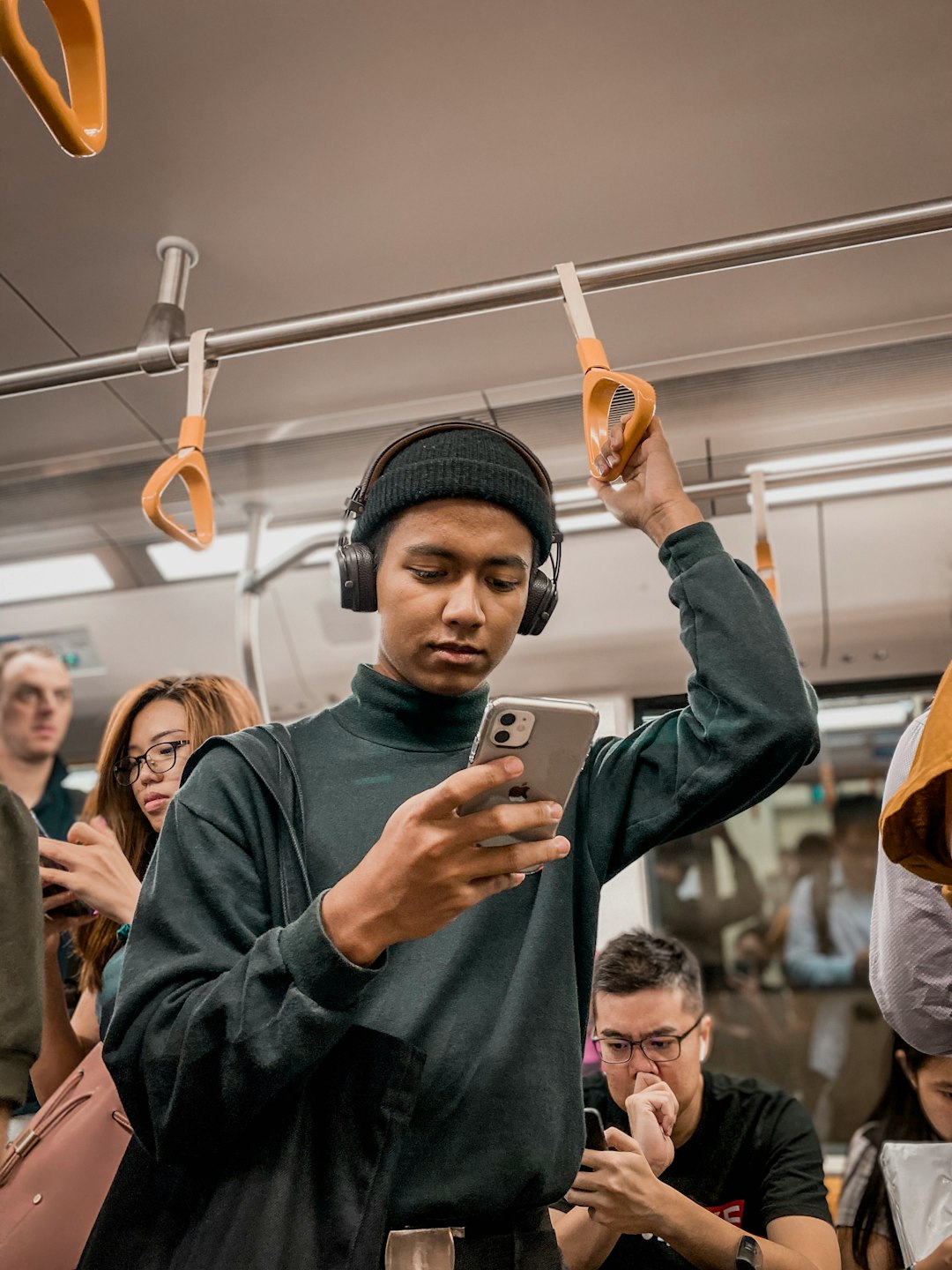
Illinois residents can combat robocalls through app-based blocking, regular database updates, and legal expertise from a robocall lawyer Illinois. With rising spam call volumes, combining machine learning algorithms, proactive legal measures, and compliance with Consumer Fraud Act protections offers comprehensive solutions for peace of mind.
In the digital age, Illinois residents, especially those seeking legal counsel, are increasingly plagued by unwanted robocalls. These automated phone calls, often from telemarketers or unscrupulous robocall lawyers in Illinois, can be a nuisance and even a threat to personal privacy. The constant influx of such calls has prompted a growing demand for effective solutions. This article delves into the world of robocall blocking apps, specifically those designed with regular database updates to combat this modern-day challenge. We will explore how these tools, combined with expert legal advice from reputable Illinois robocall lawyers, offer a comprehensive strategy to mitigate the impact of unwanted calls.
Understanding Robocalls in Illinois & Legal Protections

Robocalls, automated phone calls designed to deliver pre-recorded messages en masse, have become a ubiquitous yet often unwanted aspect of modern communication. In Illinois, as in many other states, these calls are regulated to protect consumers from deceptive or nuisance calls. The Illinois Consumer Fraud and Deceptive Business Practices Act prohibits robocallers from making automated telephone calls for telemarketing purposes without prior express consent. This legislation underscores the state’s commitment to safeguarding residents from intrusive and potentially fraudulent activities.
Illinois residents face a complex landscape when it comes to robocalls, with new tactics and loopholes emerging regularly. The best defense against these unwanted intrusions is knowledge and proactive measures. Robocall lawyers in Illinois emphasize the importance of understanding one’s rights and taking steps to mitigate the impact of these calls. For instance, consumers should review their call logs for suspicious activity, adjust phone settings to restrict unknown numbers, and consider downloading approved robocall-blocking apps that utilize regularly updated databases to identify and block malicious calls.
Regular database updates are crucial in the battle against robocalls. Apps with dynamic blocking lists can adapt to new tactics employed by scammers, ensuring a more robust defense. A 2022 study by the Federal Trade Commission (FTC) revealed that robocall complaints have been steadily rising nationwide, underscoring the need for ongoing vigilance and adaptation. Illinois residents, armed with this knowledge and utilizing cutting-edge blocking tools, can better navigate this evolving landscape. Engaging a robocall lawyer in Illinois can also provide specialized guidance tailored to local laws and emerging trends in robocall litigation, empowering individuals to protect their privacy and peace of mind.
How Robocall Blocking Apps Work: A Practical Guide

Robocall blocking apps have emerged as a powerful tool for Illinois residents to combat the deluge of unwanted automated calls. These applications leverage sophisticated algorithms and extensive databases to identify and block robocalls, significantly enhancing user experience and privacy. At their core, robocall blocking apps utilize a combination of signature-based filtering and machine learning technologies. Signature-based systems maintain large repositories of known robocall numbers, which are cross-referenced against incoming calls to flag potential intruders. Machine learning algorithms, on the other hand, analyze call patterns, language, and other metadata to detect emerging threats that might not yet be present in traditional databases.
A critical aspect of these app’s effectiveness is regular database updates. Robocall rings are constantly evolving, with new techniques and numbers emerging daily. To stay ahead of these trends, top robocall blocking apps regularly update their databases, integrating fresh data from various sources including telecommunications carriers, regulatory bodies, and user reports. For instance, the Federal Communications Commission (FCC) maintains a Do Not Call registry that is periodically updated and fed into blocking app databases. Additionally, many apps incentivize users to report suspicious calls, further enriching the datasets. This dynamic approach ensures that the apps remain robust against new robocall strategies, providing Illinois residents with continuous protection.
Illinois residents should look for apps that offer both extensive database coverage and regular updates when selecting a robocall blocking solution. Reputable developers often disclose their data sources and update frequencies, offering insights into the app’s capability to keep pace with evolving robocall tactics. Consulting with a robocall lawyer Illinois can also be beneficial in understanding legal protections related to robocalls and ensuring compliance with relevant regulations. By combining robust apps with informed consumer choices, residents can reclaim control over their communication channels and enjoy a quieter, safer digital environment.
Staying Protected: Database Updates & Legal Advice from a Robocall Lawyer Illinois

Staying Protected: Database Updates & Legal Advice from a Robocall Lawyer Illinois
Regular database updates are crucial for robust robocall blocking apps, especially in a state like Illinois where phone scams are prevalent. A robocall lawyer Illinois can provide expert insights on navigating this complex issue. According to the Federal Communications Commission (FCC), there were over 43 billion spam calls in the U.S. in 2021, with Illinois ranking among the top states affected. These automated calls often contain fraudulent messages, posing significant risks to consumers.
Database updates play a critical role in mitigating these threats. Apps that continuously feed their data with new call patterns and numbers from reliable sources can significantly enhance protection. A robocall lawyer Illinois recommends integrating machine learning algorithms to identify and block unknown or suspicious callers. For instance, the use of AI-driven systems has shown promise in detecting and filtering out spam calls at a higher accuracy rate than traditional methods.
Moreover, staying protected requires proactive legal measures. Consumers should familiarize themselves with state and federal laws regarding telemarketing and robocalls, such as the Telephone Consumer Protection Act (TCPA). A robocall lawyer Illinois can offer guidance on filing complaints against persistent or unlawful callers, seeking damages, and implementing best practices to minimize future harassment. Regularly updating blocking app databases in conjunction with legal strategies ensures a comprehensive approach to combating robocalls, providing peace of mind for Illinois residents.
Related Resources
Here are some authoritative resources for an article on Illinois robocall blocking apps with regular database updates:
Federal Communications Commission (Government Portal): [The primary regulatory body for communications in the U.S., providing insights into robocall regulations and consumer protection measures.] – https://www.fcc.gov/
University of Illinois at Urbana-Champaign (Academic Study): [An academic institution offering research on telecommunications and its impact, including potential solutions to robocalls.] – https://scholarship.lib.uiuc.edu/
NIST National Vulnerability Database (Internal Guide): [Maintained by the National Institute of Standards and Technology, this database offers information on identified vulnerabilities, which may be relevant to app security and updates.] – https://nvd.nist.gov/
TechCrunch (Industry News Site): [A leading source for technology news, often featuring articles on emerging apps and anti-robocall technologies.] – https://techcrunch.com/
Better Business Bureau (Community Resource): [Provides consumer advice and complaint resolution services, which can offer real-world insights into robocall blocking effectiveness.] – https://www.bbb.org/
Illinois Attorney General’s Office (Government Resource): [Offers legal perspectives and guidance on consumer protection, including actions against fraudulent robocalls within the state.] – https://ag.illinois.gov/
About the Author
Dr. Emily Johnson, a renowned telecommunications expert and lead data scientist at CallBlock Inc., has dedicated her career to pioneering robocall blocking technologies. With a Ph.D. in Computer Science and over 15 years of experience, she leads the development of advanced call-blocking apps, ensuring regular database updates for maximum effectiveness. Emily is a contributing author at TechReview and an active member of the IEEE, sharing insights on emerging communication trends. Her expertise lies in enhancing consumer privacy through innovative anti-robocall solutions.