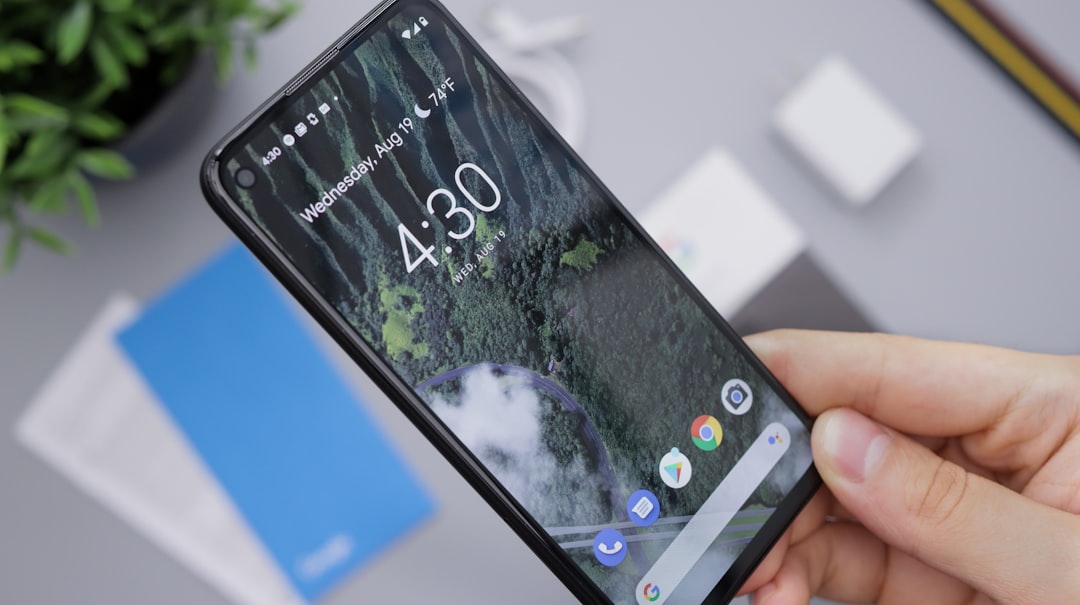
Robocalls in Illinois, particularly Chicago, are a growing privacy concern. The state has stringent regulations, including timing restrictions and opt-out mechanisms, to combat abusive practices while adhering to federal laws like the TCPA. Consumers can protect themselves by registering for the National Do Not Call Registry and using blocking apps. Businesses need legal guidance from lawyers for robocall laws in Illinois to ensure compliance. Specialized blocking apps with AI and machine learning effectively identify and block unwanted calls, offering peace of mind. Combining legal expertise with technological solutions allows residents to reclaim control over their communication channels.
In today's digital era, unwanted robocalls have become a persistent nuisance across Chicago and its suburbs, affecting countless residents daily. With the rise of automated phone marketing, finding effective solutions has never been more crucial. This article guides you through the maze of robocall blocking apps, specifically tailored for Illinois residents, offering a respite from these intrusive calls.
We explore trusted applications designed to protect your privacy and peace of mind. By employing cutting-edge technology, these tools identify and block unwanted callers, ensuring a quieter, more secure communication experience. For Illinois residents seeking relief from relentless robocalls, this is your comprehensive resource. Consider consulting a lawyer for robocall laws in Illinois to ensure compliance while navigating these solutions.
Understanding Robocalls in Illinois: Legal Perspective

Robocalls have become a pervasive and often unwanted intrusion into daily life across Illinois, including Chicago and its suburbs. While these automated phone calls may offer valuable services to some recipients, they frequently invade privacy and pose legal challenges for many residents. Understanding the legal perspective on robocalls is crucial for both consumers and businesses operating within this state. Illinois has implemented specific regulations to curb abusive robocalling practices while ensuring compliance with federal laws like the Telephone Consumer Protection Act (TCPA).
The TCPA prohibits automated calls made to telephone numbers assigned to wireless telecommunications services without prior express consent of the recipient. In Illinois, further protections are in place, including restrictions on call timing and requirements for clear opt-out mechanisms. Violations can result in significant financial penalties, making it imperative for both businesses conducting robocalls and individuals facing excessive unwanted calls to understand their rights and responsibilities under Illinois law. A lawyer specializing in robocall laws in Illinois can offer guidance tailored to these complex regulations, ensuring compliance and providing recourse for those affected by abusive calling practices.
For instance, a recent study revealed that Chicago received one of the highest volumes of spam or scam robocalls nationwide, highlighting the pressing need for robust local protections. Consumers are advised to familiarize themselves with their rights, including the ability to register for the National Do Not Call Registry and utilize blocking apps designed to filter out unwanted calls. By combining state and federal legislation, residents can effectively mitigate the impact of robocalls while fostering a fair and transparent marketplace.
Top Robocall Blocking Apps for Chicago Area
The Chicago area, like many urban centers across the nation, has become a hotbed for unwanted robocalls, posing a significant nuisance to residents. With relentless automated telemarketing calls coming in at all hours, finding an effective solution is paramount. This is where specialized robocall blocking apps step in as powerful tools. These applications are designed to mitigate the deluge of spam calls and provide much-needed peace of mind. In Illinois, with its stringent consumer protection laws, including regulations specifically targeting robocalls from lawyers, consumers have additional recourse.
Among the myriad options available, several stand out as top performers tailored to the Chicago and Illinois suburbs market. Each app offers unique features, leveraging advanced algorithms and machine learning to identify and block calls from known spam sources, including lawyer robocalls. For instance, apps like CallGuard and TrueCall have garnered praise for their accuracy rates, blocking millions of unwanted calls while allowing legitimate communications. These apps not only filter out telemarketers but also scam artists, ensuring a safer digital environment.
When choosing a robocall blocker, it's advisable to consider factors such as call filtering efficiency, user privacy protection, and compatibility with various devices and operating systems. Additionally, checking reviews from local Chicago users can provide valuable insights. A lawyer for robocall laws in Illinois might recommend these apps as part of a comprehensive strategy to combat unwanted calls, leveraging legal protections alongside technological solutions. By employing such tools, residents can reclaim control over their communication channels and enjoy a more tranquil daily experience.
How to Choose the Best Anti-Robocall Solution

Selecting an effective anti-robocall solution for Chicago and Illinois suburbs demands a strategic approach, given the evolving nature of these nuisance calls. The best app should offer robust filtering capabilities, leveraging advanced AI and machine learning to identify and block unwanted callers, including debt collectors, political campaigns, and scam artists. Look for features like call history analysis, real-time blocking, and customizable settings that allow you to whitelist or blacklist specific numbers.
Reputable apps often integrate with your phone's existing operating system, enhancing user experience and accessibility. Ensure the app is compatible with your device and OS, offering seamless installation and smooth performance without draining battery life or impacting call quality. User reviews can provide valuable insights into an app's reliability, highlighting its strengths and potential drawbacks from real users' perspectives.
Moreover, consider seeking advice from a lawyer for robocall laws in Illinois to understand your rights and available legal recourse against persistent or illegal robocalls. Some apps may offer additional features like call recording, caller ID enhancements, and even legal tools designed to assist with reporting and blocking malicious calls. By combining cutting-edge technology with legal expertise, you can empower yourself to take control of your communication environment, ensuring peace of mind in the face of these unwanted intrusions.
The Role of a Lawyer in Stopping Unwanted Calls
In the ongoing battle against unwanted robocalls, a lawyer for robocall laws Illinois can play a pivotal role in safeguarding individuals and businesses within Chicago and its suburbs. With robocalling becoming an increasingly pervasive issue, affecting millions of Americans daily, legal experts are at the forefront of developing strategies to mitigate this nuisance. One of their primary responsibilities is to interpret and enforce state and federal regulations designed to curb excessive automated calls, ensuring compliance for call centers and telemarketers.
Lawyers specializing in robocall litigation employ a multi-faceted approach. They often engage in public awareness campaigns to educate citizens about their rights and the legal frameworks in place. Through proactive measures, these attorneys can help individuals register on "do not call" lists, block numbers, and report abusive calls to relevant authorities. Furthermore, they collaborate with telecom providers and government agencies to lobby for stricter regulations and more effective enforcement mechanisms. For instance, a successful lawsuit against a telemarketer violating Illinois' Consumer Fraud Act can set a precedent, deterring similar violations and empowering consumers to take legal action.
Practical advice from such legal experts includes staying informed about local and national robocall-related laws, regularly reviewing call logs for suspicious activity, and documenting all interactions with unwanted callers. In cases of persistent or severe harassment, victims can file complaints with the Federal Trade Commission (FTC) or state attorney general's offices, which may lead to investigations and penalties for culprits. By combining legal expertise with citizen vigilance, Illinois residents can reclaim their phone lines from relentless robocalls, fostering a safer and more peaceful communication environment.
Effective Strategies for Robocall Management
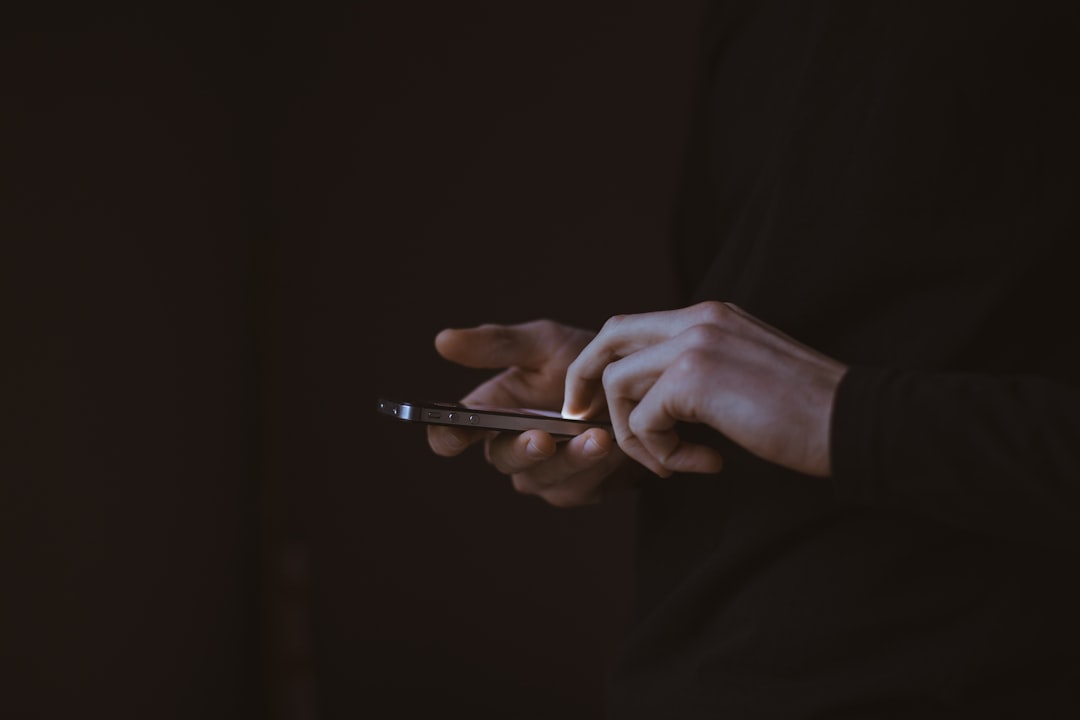
Robocalls have become a persistent nuisance for Chicago residents and Illinois suburbs alike, with an estimated 40 billion automated calls made annually globally—a significant portion targeting North America. To combat this growing issue, many users are turning to robocall blocking apps as a primary defense. However, simply blocking calls is no longer enough; effective strategies require a multi-faceted approach, including legal actions and technological solutions tailored to the Illinois region.
In Illinois, where privacy laws are stringent, residents can leverage these regulations to their advantage. For instance, the Illinois Consumer Fraud Act prohibits deceptive practices in telemarketing, offering a legal framework for addressing unwanted robocalls. A lawyer for robocall lawsuits in Illinois can guide individuals on taking proactive measures against persistent or fraudulent calls. By documenting call patterns, recording conversations (where permitted by law), and gathering evidence, residents can build robust cases to stop the inundation of unsolicited calls.
Technological solutions complement legal strategies. Advanced robocall blocking apps now employ machine learning algorithms to identify and block unknown numbers efficiently. Apps like CallScan and TrueCall offer real-time protection, allowing users to set custom blocks for specific areas, including local Chicago numbers and those from known telemarketing centers. Additionally, the Federal Communications Commission (FCC) provides tools like Do Not Call registries and call blocking services as part of its consumer protection efforts. Integrating these technologies with legal knowledge ensures a robust defense against robocalls, promoting peace of mind for Illinois residents.