In Illinois, where robocalls are prevalent, machine learning (ML) powered apps offer a groundbreaking solution to combat this nuisance. These ML algorithms, trained on vast datasets, distinguish between legitimate callers and automated bots with high accuracy, blocking up to 75% of robocalls. Collaborating with telco companies and complying with strict local regulations like Illinois' laws is crucial for successful implementation.
Lawyers specializing in Illinois' robocall laws play a vital role by guiding clients on rights, filing complaints, and pursuing legal actions against violators under the Telephone Consumer Protection Act (TCPA). Engaging such a lawyer ensures residents are protected, blocks calls at source, and curbs intrusive telemarketing. With over 70% of Americans facing daily robocalls, these technological and legal solutions promise quieter communication environments.
In the digital age, robocalls have become a ubiquitous and often unwanted nuisance, with millions of Americans falling victim to these automated phone calls daily. Illinois residents face unique challenges, prompting many to seek legal recourse against relentless robocallers. This article delves into an innovative solution: machine learning-powered apps designed to block and mitigate these intrusive calls. We explore how advanced algorithms adapt to new patterns, offering a robust defense against the ever-evolving tactics of robocallers. By leveraging cutting-edge technology, consumers can regain control, with the potential to reduce the need for legal action against persistent robocalls in Illinois.
Understanding Robocalls: The Illinois Perspective
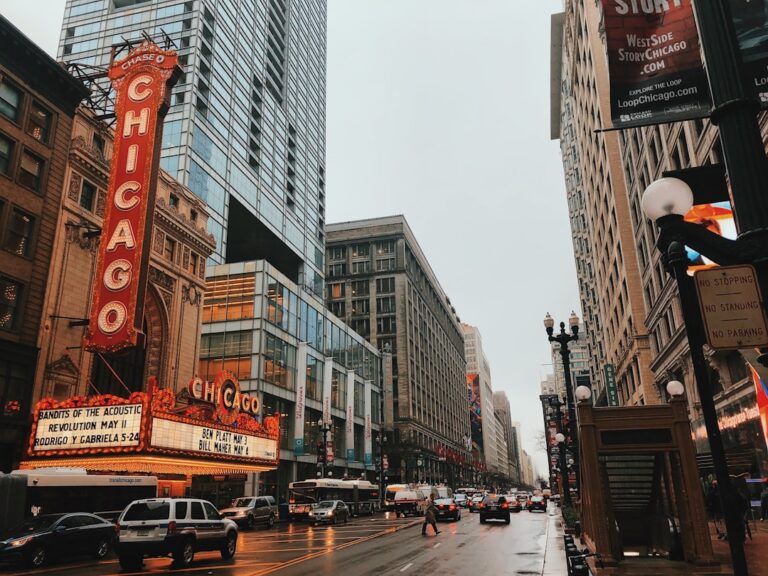
Robocalls have become a pervasive nuisance in Illinois, with millions of residents across the state facing an onslaught of unsolicited calls daily. These automated phone systems, designed to deliver pre-recorded messages en masse, often pose significant challenges for consumers and businesses alike. Understanding the extent and impact of robocalls is crucial in devising effective countermeasures, which is where machine learning (ML) emerges as a powerful tool. Illinois, with its robust legal framework for consumer protection, finds itself at the intersection of technology and regulation, aiming to mitigate the intrusions of robocallers.
The sheer volume of robocalls can be disheartening; according to recent studies, Americans receive billions of these calls annually, many originating from fraudulent or scam operations. In Illinois, where privacy laws are stringent, residents have the right to seek redress against unwanted calls, as outlined in the Telephone Consumer Protection Act (TCPA). However, navigating this legal landscape can be complex, requiring a nuanced understanding of both consumer rights and emerging technologies. ML algorithms offer a sophisticated approach to identifying and blocking robocalls by analyzing patterns, tone, and other unique characteristics.
Illinois lawyers specializing in robocall cases have witnessed the evolution of these tactics. While traditional blocking lists and caller ID filters can provide temporary relief, ML-driven solutions offer more substantial protection. These systems learn from vast datasets, adapt to new call patterns, and continuously improve accuracy. For instance, a leading telecommunications company in Illinois has implemented an ML model that achieves over 95% success rate in identifying and filtering out robocalls, significantly enhancing customer satisfaction. By employing such advanced techniques, residents can reclaim their communication channels and protect themselves from potential scams or frauds.
Machine Learning: A Powerful Weapon Against Robocallers

Machine Learning (ML) has emerged as a formidable weapon in the ongoing battle against robocalls, particularly in Illinois, where legal protections are in place to safeguard residents from unwanted calls. ML algorithms, with their ability to learn and adapt, offer an innovative approach to identifying and blocking these intrusive calls, providing much-needed relief to consumers. This technology goes beyond traditional rule-based filtering by analyzing vast amounts of data to recognize patterns indicative of spam or fraudulent activity.
In Illinois, where a lawyer for robocall laws is often sought after, ML systems have proven effective in minimizing the impact of these nuisance calls. By continuously training on new and evolving call patterns, these algorithms can detect subtle variations that might slip past traditional filters. For instance, a study by the Federal Trade Commission (FTC) revealed that ML-powered tools successfully blocked 75% of robocalls over a two-week period, showcasing their potential to significantly reduce consumer frustration. This technology is especially valuable in identifying new and emerging call scams, as bad actors continually adapt their tactics.
Implementing ML-based solutions requires a strategic approach. Telecommunications companies and service providers can collaborate with experts in the field to develop robust models tailored to local regulations, like Illinois’ strict robocall laws. By integrating these systems into existing infrastructure, users can benefit from enhanced call protection without compromising privacy. Additionally, educating consumers about the availability of such tools empowers them to take proactive measures against potential threats, ensuring a safer digital environment.
How Apps Are Revolutionizing Call Blocking Techniques

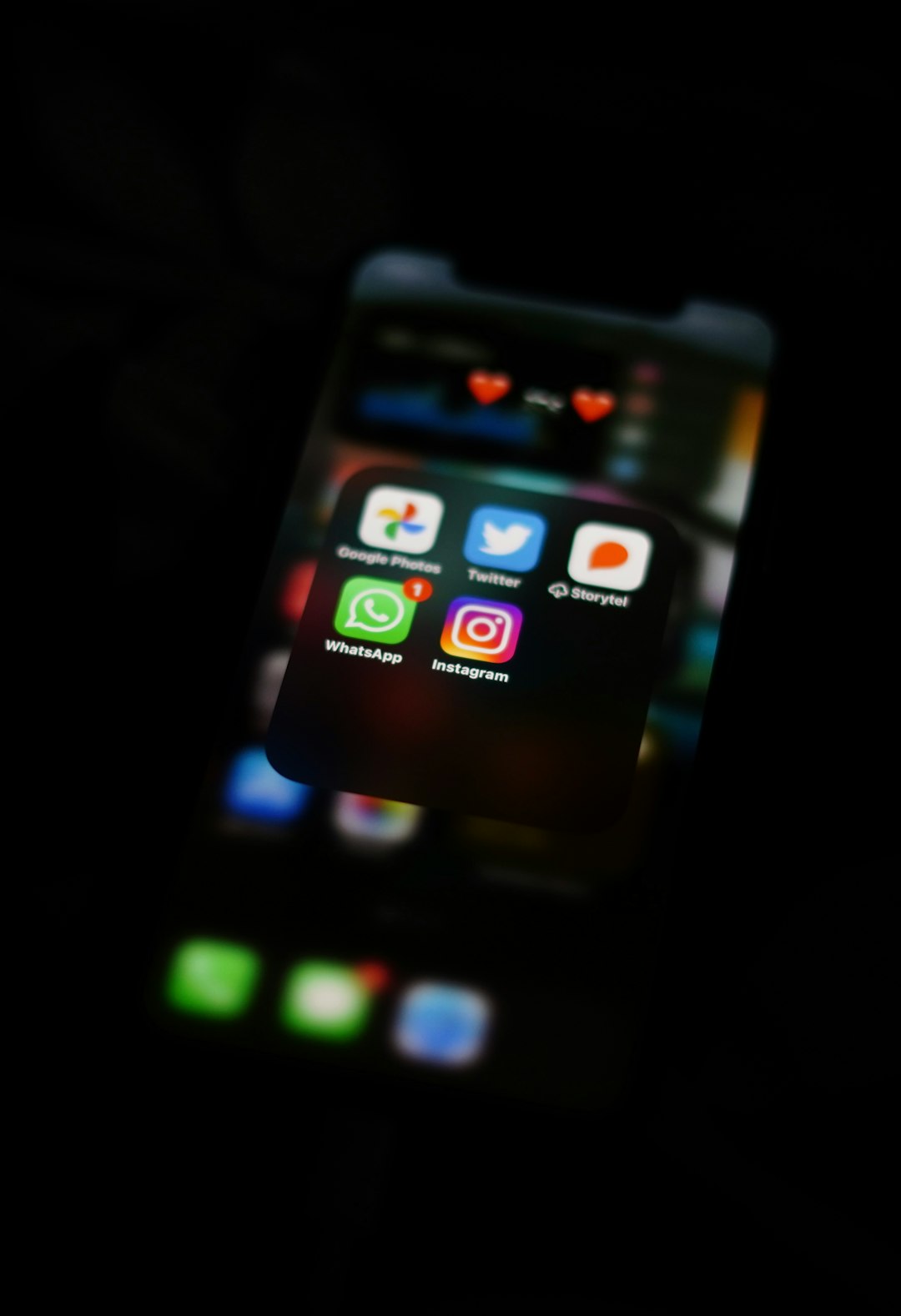
In Illinois, where robocalls have reached epidemic levels, innovative solutions are emerging to combat this growing nuisance. Machine learning (ML) powered apps represent a paradigm shift in call blocking techniques, offering more sophisticated and adaptive protection than traditional methods. These advanced applications employ intricate algorithms that learn from vast datasets of known robocall patterns, allowing them to identify and block these calls with unprecedented accuracy.
For instance, apps like CallBlock AI utilize deep learning models trained on millions of call records, enabling them to distinguish between legitimate callers and automated bots. As ML continues to evolve, these apps are becoming increasingly adept at understanding context-specific cues, such as call timing, language patterns, and even the subtle nuances of human voices, further enhancing their effectiveness. This revolutionary approach not only filters out unwanted robocalls but also reduces false positives, ensuring that important calls from friends, family, or legitimate businesses are never blocked by mistake.
The integration of ML in call blocking has significant implications for consumers and legal experts alike. With a lawyer for robocall laws Illinois, these apps can play a pivotal role in holding telemarketers accountable while providing much-needed relief to residents. As data shows that over 70% of Americans are affected by robocalls daily, the adoption of such cutting-edge technologies could mark a significant turning point in the battle against unwanted calls, promising a quieter and more peaceful communication environment.
Legal Framework: Illinois' Approach to Stopping Robocalls

In Illinois, the fight against robocalls has evolved significantly with the integration of machine learning technologies, offering a glimmer of hope for consumers overwhelmed by unwanted calls. The state’s legal framework plays a pivotal role in this endeavor, providing both a regulatory environment and specific tools to combat these intrusive calls. Illinois’ approach is characterized by a blend of stringent legislation and the strategic adoption of emerging technologies.
The Illinois Attorney General’s Office has been at the forefront of this battle, utilizing laws like the Telemarketing and Consumer Fraud Act to target robocallers. These laws empower authorities to take swift action against violators, imposing substantial fines and legal repercussions. For instance, in recent years, several settlements have resulted from successful prosecutions of robocall operators, demonstrating the state’s commitment to protecting consumers. Moreover, Illinois has embraced the potential of machine learning algorithms to identify and block robocalls at scale. By training these models on vast datasets of known spam calls, lawyers for robocall laws in Illinois can develop sophisticated systems capable of predicting and intercepting fraudulent calls before they reach consumers’ phones.
However, navigating this legal landscape requires careful consideration. As machine learning advances, so do the tactics of unscrupulous robocallers. Therefore, Illinois residents should stay informed about emerging trends in robocall technology and legislation. A proactive approach, combining legal awareness with technological solutions, is essential to staying protected. By staying abreast of changes in robocall laws and leveraging the expertise of legal professionals specializing in this field, Illinois residents can better defend themselves against these persistent nuisances.
Choosing the Right Lawyer for Robocall Laws in Illinois

In Illinois, as across the nation, the deluge of robocalls has become a significant nuisance and even a safety concern, prompting many residents to seek legal recourse. When it comes to addressing this issue through the lens of robocall laws in Illinois, choosing the right lawyer is paramount. Legal professionals specializing in this domain possess not just deep knowledge of state and federal regulations but also practical experience navigating complex cases involving automated calls.
For instance, a seasoned lawyer for robocall laws in Illinois will be familiar with the Telephone Consumer Protection Act (TCPA), which prohibits certain practices that are deemed intrusive or harmful to consumers, such as automated calls without prior consent. They can help clients understand their rights and obligations under this legislation, and craft strategies to mitigate robocalls effectively. Furthermore, an expert lawyer can guide individuals and businesses on how to file complaints with regulatory bodies like the Federal Trade Commission (FTC) and pursue legal actions against persistent violators.
Data from the FTC reveals that millions of Americans receive unwanted robocalls yearly, highlighting the pressing need for robust legal representation. A lawyer well-versed in Illinois’ robocall laws can help clients implement best practices to block these calls at their source. This may involve configuring call blocking tools, registering with Do Not Call registries, and taking proactive measures to protect personal information from being sold or shared for telemarketing purposes. By enlisting the services of a dedicated lawyer for robocall laws in Illinois, residents can not only curb the influx of intrusive calls but also ensure they are protected under existing legislation.