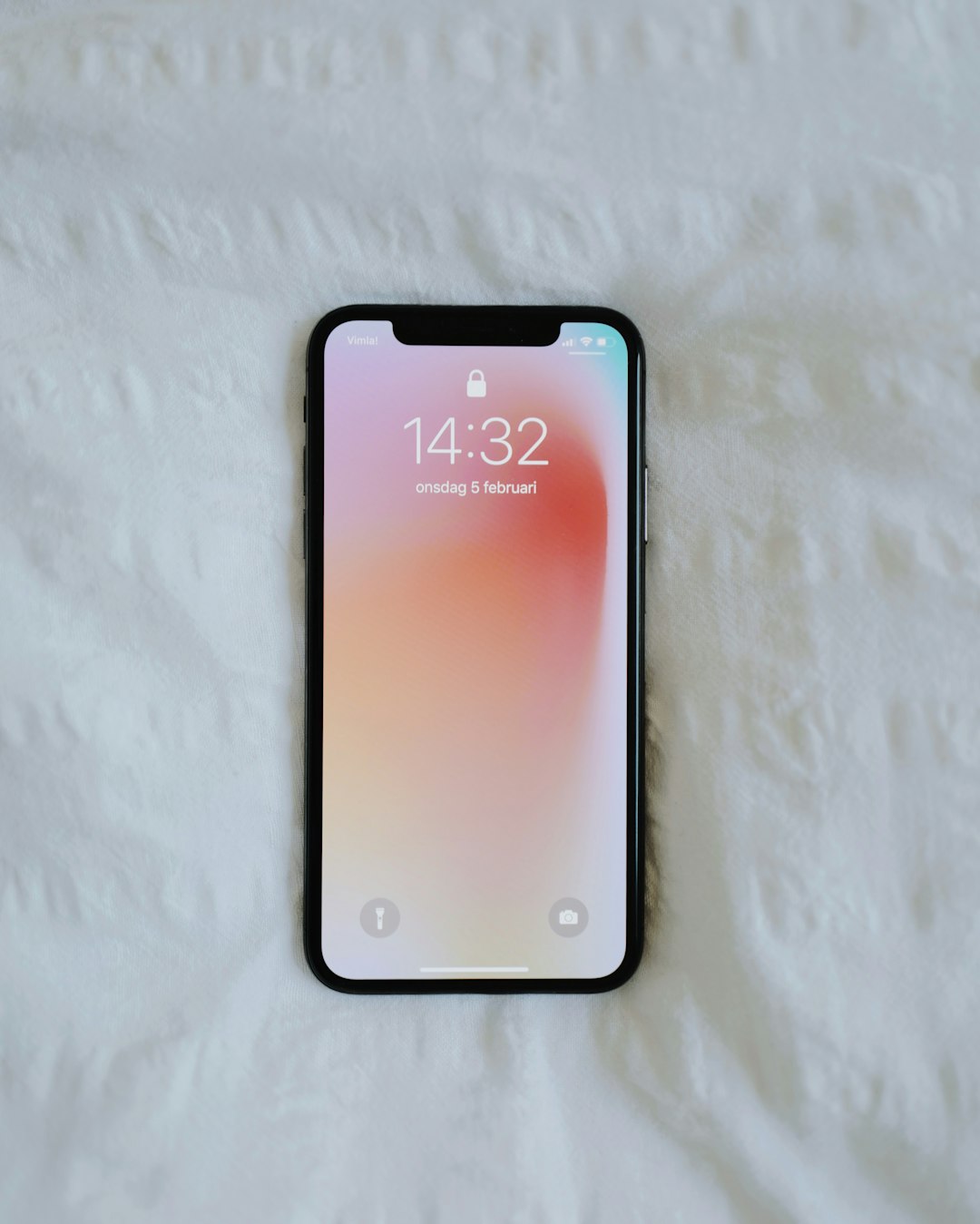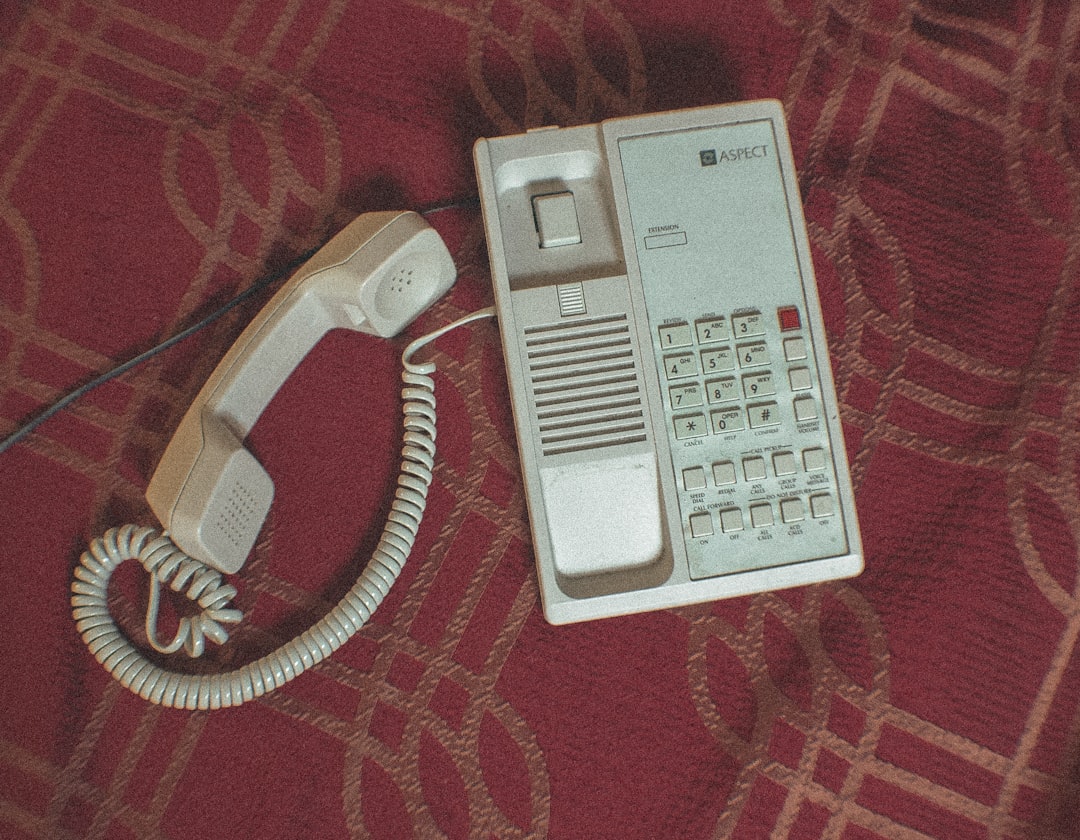
Chicago residents face a surge in robocalls, prompting the use of anti-spam apps like TrueCall and Hiya, which leverage algorithms and community reporting to block unwanted calls. Illinois' Spam Call law firm regulations offer strong protections, with fines up to $500 per violation. Effective blocking apps combine machine learning, caller ID, analytics, and user control for robust spam protection, empowering Chicagoans to reclaim their phone lines from spammers while adhering to legal guidelines.
In today’s digital era, the rise of spam calls has become a significant nuisance across Chicago and its suburbs. With the implementation of the Spam Call law firm Illinois has taken steps to combat this issue, trusted robocall blocking apps have emerged as a crucial solution for residents seeking respite from relentless unwanted phone calls. This comprehensive guide delves into the most effective robocall-blocking applications available, designed to empower Chicagoans with the tools needed to regain control of their communication channels. By exploring these top-tier options, we aim to provide genuine value and facilitate informed decisions in navigating the complex landscape of spam call prevention.
Understanding Robocalls and Illinois Spam Call Law
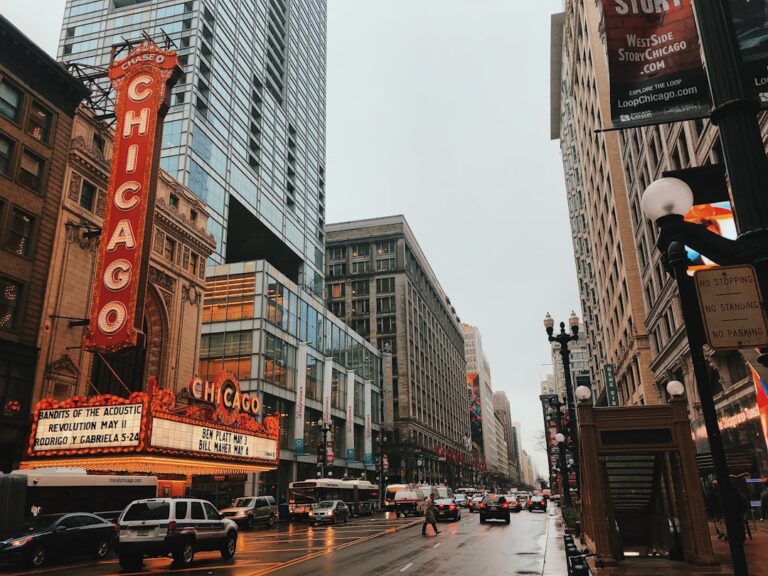
Robocalls have become a pervasive and often unwanted aspect of modern communication, particularly in densely populated areas like Chicago and its suburbs. These automated phone calls, typically used for marketing or political purposes, are protected by federal and state laws that govern telemarketing practices. In Illinois, the Spam Call Law firm plays a crucial role in protecting residents from these nuisance calls by establishing guidelines and enforcing penalties against violators.
The Illinois Spam Call law, also known as the Telemarketing Act, was designed to prevent deceptive or annoying telemarketing practices. It gives consumers the right to refuse robocalls and restricts businesses from using automated dialing systems without prior consent. This law is particularly significant in urban areas where residents often face a deluge of unsolicited calls daily. For instance, data from consumer protection agencies reveals that Chicago consistently ranks high among cities with the highest number of spam call complaints per capita.
While robocalls are not inherently illegal, they must comply with specific regulations. Businesses must obtain explicit consent from recipients before initiating automated calls for marketing purposes. Failure to adhere to these rules can result in significant fines, with penalties reaching up to $500 per violation, making it a costly mistake for companies engaging in unsolicited telemarketing. A reputable Spam Call law firm in Illinois can offer guidance on navigating these regulations and help businesses implement compliant practices to avoid legal repercussions.
Top Robocall Blocking Apps for Chicago Residents

Chicago residents face a constant barrage of unwanted robocalls, making it challenging to separate legitimate calls from spam. With over 3 billion robocalls made daily nationwide, according to the Federal Communications Commission (FCC), and Illinois being one of the highest-target states, taking proactive measures is essential. Fortunately, several robust robocall blocking apps offer effective solutions tailored to the unique needs of Chicago and its suburbs. These tools empower individuals to reclaim control over their phone lines, ensuring a quieter and safer communication environment.
Among the top choices for Chicago residents are applications renowned for their advanced call-blocking algorithms and user-friendly interfaces. TrueCall, for instance, utilizes machine learning to identify and block spam calls with remarkable accuracy. It also integrates a community-driven reporting system, allowing users to contribute to a database of known spammer numbers. Hiya is another leading app that leverages collective intelligence to detect and filter out unwanted callers. By analyzing global call data, Hiya can anticipate and block emerging spamming trends, providing a dynamic defense against new and unknown spammers.
In light of Illinois’ stringent Spam Call law firm regulations, these apps offer more than just blocking; they provide users with detailed insights into the sources of their calls. This information is crucial for identifying recurring spammers and reporting them to the appropriate authorities. By combining cutting-edge technology with community involvement, these robocall blocking apps are revolutionizing how Chicagoans manage their communications, ensuring compliance with local laws while enhancing user experience.
How to Choose the Best Anti-Spam Solution
Choosing an effective anti-spam solution is paramount for Chicago residents and Illinois suburbs to combat the deluge of robocalls. With a growing number of spam call law firm Illinois cases, consumers need robust tools to protect their privacy. The best app transcends simple blocking by employing advanced techniques like machine learning algorithms that adapt to evolving spammers’ tactics.
Consider data from the Federal Trade Commission (FTC), which reported over 48 billion robocalls blocked in the U.S. last year, highlighting the sheer volume of unwanted calls. A top-tier app should integrate caller ID and analytics to identify not only known spam numbers but also emerging threats. Look for features like automated call screening, do-not-disturb modes, and customizable blocking lists that allow users to flag specific callers or types of calls.
Additionally, consider apps that offer transparency and control. Apps with clear privacy policies ensuring data security and allowing users to opt-in/opt-out of call monitoring are preferable. Regularly updating the app to patch vulnerabilities and incorporate new spam patterns is essential. By combining these factors – advanced technology, user control, and robust security – Chicagoans can reclaim their phone lines from relentless spammers, leveraging the best anti-spam solution available.
Effectiveness and Legal Protection: A Comprehensive Look

Robocall blocking apps have become a popular solution for Chicago residents and suburban communities looking to combat the deluge of unwanted automated calls. While these apps offer a sense of control, their effectiveness and legal implications are crucial considerations, especially with Illinois’ stringent Spam Call law firm regulations in place. It’s essential to understand that not all robocalls are created equal, nor are all blocking tools equally robust.
The success of a robocall blocker hinges on several factors. First, accurate call identification is paramount. Modern apps utilize advanced algorithms and machine learning to differentiate between legitimate calls and spam. For instance, some apps can recognize specific patterns, keywords, or even the geographic origin of the caller, enhancing their filtering capabilities. However, as spammers adapt and employ more sophisticated techniques, these apps must continually evolve to keep up. Regular updates and user feedback play a significant role in maintaining their effectiveness.
Illinois’ Spam Call law firm legislation provides substantial legal protection for consumers. The state’s robust Do Not Call registry and strict penalties for violators ensure that robocall blocking apps are not just useful but also necessary tools for residents to enforce their privacy rights. According to recent data, Illinois has one of the highest rates of spam call complaints nationwide, underscoring the critical need for effective blocking solutions. By utilizing reputable apps and staying informed about legal protections, Chicagoans can take proactive measures to curb unwanted calls and reclaim control over their communication channels.